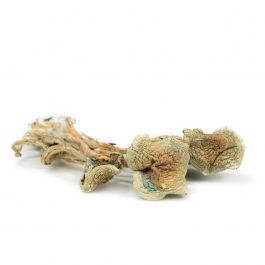
Magic Mushrooms in Alabama For Sale: A Professional Guide to Psilocybin, Research, History, and Public Interest
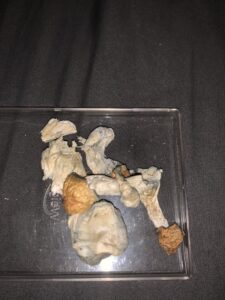
Magic mushrooms have become a topic of growing scientific and public interest as researchers continue to investigate the effects of psilocybin, the naturally occurring psychedelic compound found in certain mushroom species. Across the United States, including Alabama, many people seek reliable information about what magic mushrooms are, how they have been studied, and why they continue to receive attention from the scientific community.
Although conversations about psychedelic substances have become more common in recent years, accurate and balanced information remains essential. Separating scientific evidence from online myths allows readers to better understand the current state of research and the broader discussion surrounding psilocybin mushrooms.
This guide provides a professional overview of magic mushrooms in Alabama, covering their biological characteristics, historical background, scientific research, public interest, safety considerations, and frequently asked questions. It is intended for educational purposes and aims to present objective, evidence-based information.
What Are Magic Mushrooms?
Magic mushrooms are naturally occurring fungi that contain the psychedelic compounds psilocybin and psilocin. These compounds interact with serotonin receptors in the brain and may influence perception, cognition, mood, and emotional processing.
Scientists have identified more than 180 mushroom species that contain psilocybin. While the concentration of active compounds varies among species, researchers continue to study how these naturally occurring substances interact with the human brain.
Unlike ordinary culinary mushrooms, psilocybin mushrooms contain psychoactive compounds that distinguish them from edible mushroom varieties commonly found in grocery stores.
The History of Magic Mushrooms
Magic mushrooms have a long history that spans thousands of years. Archaeological evidence suggests that certain cultures used psilocybin-containing mushrooms in ceremonial and spiritual practices long before modern scientific research began.
During the twentieth century, researchers started examining psilocybin from a scientific perspective. Interest slowed for several decades but has increased significantly in recent years as universities and medical institutions launched new clinical studies.
Today, researchers focus on understanding how psilocybin works, its potential therapeutic applications, and the biological mechanisms behind its effects.
Understanding Psilocybin and Psilocin
Psilocybin is the primary naturally occurring compound found in magic mushrooms. After entering the body, it is converted into psilocin, which interacts primarily with serotonin receptors.
Researchers believe this interaction may influence several brain functions, including:
- Emotional processing
- Cognitive flexibility
- Perception
- Self-awareness
- Brain network communication
Scientists continue to investigate these mechanisms through carefully designed clinical studies.
Common Species of Magic Mushrooms
Several mushroom species naturally contain psilocybin. Among the most widely recognized are:
Psilocybe cubensis
One of the best-known species, Psilocybe cubensis has been widely studied and discussed because of its global distribution and recognizable characteristics.
Psilocybe semilanceata
Often referred to as the liberty cap, this species has attracted scientific interest because of its natural psilocybin content.
Psilocybe cyanescens
This species is known for its distinctive appearance and has been documented in various regions around the world.
Each species differs in appearance, habitat, and concentration of naturally occurring compounds.
Scientific Research Continues to Expand
Interest in psilocybin research has grown considerably over the last decade. Universities, hospitals, and research organizations continue to investigate the compound under carefully controlled conditions.
Current research explores how psilocybin may influence:
- Brain function
- Emotional processing
- Psychological flexibility
- Consciousness
- Human behavior
Clinical studies follow strict scientific protocols that include medical screening, professional supervision, and detailed follow-up evaluations.
Researchers emphasize that these studies differ significantly from unsupervised use.
Why Public Interest Is Growing
Public awareness of magic mushrooms has increased for several reasons.
Increased Scientific Publications
Medical journals continue publishing peer-reviewed studies that examine the effects of psilocybin in controlled settings. These publications have contributed to greater public understanding of psychedelic science.
Greater Awareness of Mental Health Research
Growing discussions about mental health have encouraged interest in emerging areas of neuroscience and psychiatric research. Psilocybin has become one of several compounds being investigated by researchers.
Educational Resources
Books, documentaries, podcasts, and university publications have introduced more people to the history and science of psychedelic compounds. As a result, many individuals seek reliable educational information rather than relying on speculation.
Magic Mushrooms and Research in Alabama
People in Alabama increasingly search for information about magic mushrooms because national conversations about psychedelic research continue to expand.
Many readers are interested in understanding:
- The biology of psilocybin mushrooms
- Scientific discoveries
- Historical background
- Ongoing clinical research
- Public discussions surrounding psychedelic science
Educational resources help readers better understand these topics while encouraging informed and evidence-based learning.
The Importance of Evidence-Based Information
Reliable information plays an important role in understanding complex scientific subjects.
Researchers evaluate new findings through:
- Clinical trials
- Peer-reviewed publications
- Independent review
- Statistical analysis
- Long-term observation
This scientific process helps ensure that conclusions are supported by evidence rather than isolated anecdotes.
Common Misconceptions
Several myths continue to circulate about magic mushrooms.
Myth: All Information Online Is Accurate
Not every website provides scientifically verified information. Readers should rely on reputable sources such as universities, medical institutions, and peer-reviewed journals.
Myth: Research Has Answered Every Question
Although significant progress has been made, many questions remain unanswered. Researchers continue studying both the potential benefits and the limitations of psilocybin.
Myth: Every Species Is the Same
Different psilocybin-containing mushrooms vary in appearance, natural chemistry, and geographic distribution. Treating every species as identical oversimplifies the science.
The Role of Clinical Research
Clinical research helps scientists understand how psilocybin affects the human brain under controlled conditions.
Researchers carefully monitor participants, collect data, and evaluate outcomes using established scientific methods. These studies contribute to a growing body of knowledge while maintaining high ethical standards.
Importantly, clinical research aims to answer scientific questions rather than promote assumptions or unsupported claims.
Safety Considerations
Because psilocybin affects brain function, researchers stress the importance of approaching the topic responsibly.
Individual responses can differ based on many factors, including:
- Overall health
- Mental health history
- Current medications
- Age
- Personal biology
Anyone seeking guidance about mental health should consult a qualified healthcare professional. Educational information should not replace professional medical advice or individualized care.
Frequently Asked Questions
What are magic mushrooms?
Magic mushrooms are naturally occurring fungi that contain psilocybin and psilocin, compounds that researchers study for their effects on perception, cognition, and emotional processing.
Why are people interested in magic mushrooms?
Interest has grown because of expanding scientific research, increased public awareness, and ongoing studies examining the biology of psilocybin.
Are all magic mushrooms the same?
No. Scientists have identified many species that contain psilocybin, and they differ in appearance, habitat, and chemical composition.
Why is research important?
Scientific research helps improve understanding of how psilocybin interacts with the brain, evaluates potential applications, and identifies possible risks and limitations.
Where can readers find reliable information?
Universities, medical research institutions, government health agencies, and peer-reviewed scientific journals remain among the most trustworthy sources for information about psilocybin and psychedelic research.
Looking Ahead
Psilocybin research continues to evolve as scientists explore its biology, neuroscience, and potential therapeutic applications. New studies are improving understanding of how these naturally occurring compounds interact with the brain and how future research may contribute to medicine and psychology.
As public interest grows in Alabama and across the United States, education based on credible evidence becomes increasingly valuable. Readers benefit from balanced information that explains both what researchers know today and the questions that remain under investigation.
Conclusion
Magic mushrooms continue to attract attention because of their unique biology and their role in modern scientific research. Interest in Alabama reflects a broader national conversation about neuroscience, mental health research, and the study of naturally occurring psychedelic compounds.
Although many aspects of psilocybin science remain under investigation, ongoing research continues to expand knowledge through carefully designed clinical studies and evidence-based analysis. By relying on credible scientific sources and maintaining a balanced perspective, readers can better understand this evolving field and follow future developments with confidence.
-
- Dried mushrooms
Psilocybe Caerulescens Mushrooms
- Price range: $210.00 through $1,250.00
- Select options This product has multiple variants. The options may be chosen on the product page