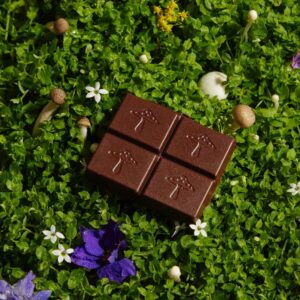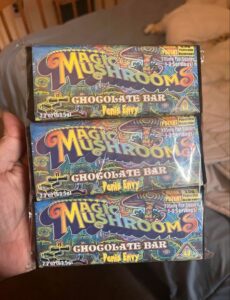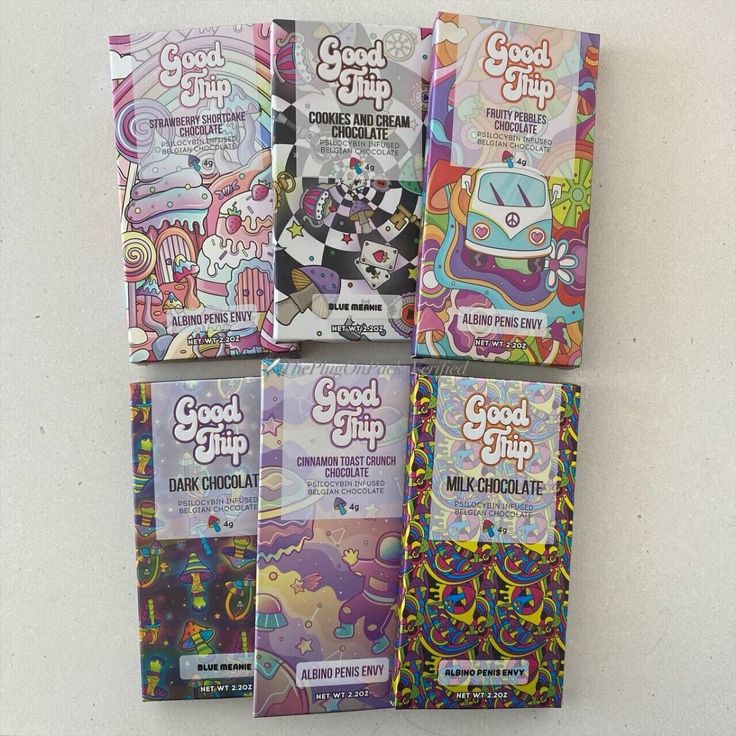
Fake mushroom chocolate products USA. As interest in mushroom chocolate products grows across the United States, so does the risk of encountering counterfeit, mislabeled, or unsafe products. Many of these items are sold outside regulated systems, which means there is often little oversight on what they contain—or whether they are safe to consume. Safe Use of Mushroom Chocolate Bars: Dosage & Timing Guide.
Understanding how to identify potentially unsafe products and why testing matters is essential for harm reduction and consumer awareness. This guide explains how to spot warning signs, what to look for, and how to reduce risk.
Why Fake or Unsafe Mushroom Chocolate Products Are a Concern
Unlike regulated pharmaceuticals or food products, many mushroom chocolate bars are produced and sold in unregulated environments. This can lead to:
- Incorrect or unknown dosages
- Contamination with other substances
- Mislabeling of ingredients
- Counterfeit branding using trusted names
In some cases, products sold as “mushroom chocolate” may not contain any mushrooms at all—or may contain unknown compounds that pose health risks.
The Risks of Unverified Products
Unsafe mushroom chocolate products can present several risks:
1. Unknown Ingredients
Some products may contain:
- Synthetic compounds
- Other psychoactive substances
- Harmful contaminants
Without proper testing, there is no guarantee of what is actually inside.
2. Inconsistent Potency
Even if a product contains mushrooms, the potency may vary significantly from batch to batch. This can lead to:
- Unexpectedly strong effects
- Unpredictable experiences
- Increased risk of adverse reactions
3. Health Risks
Contaminated or adulterated products may introduce:
- Toxins
- Bacteria or mold
- Chemical impurities
These can pose serious health concerns.
How to Spot Fake or Unsafe Mushroom Chocolate Products – Fake mushroom chocolate products USA
Being able to identify warning signs is one of the most important steps in avoiding unsafe products.
1. Suspicious or Unverified Packaging
Be cautious if:
- Packaging looks unprofessional or inconsistent
- There are spelling errors or unclear labeling
- The brand appears unfamiliar or untraceable
Legitimate products typically have:
- Clear branding
- Ingredient information
- Batch or lot numbers
2. No Lab Testing or Verification
One of the biggest red flags is the absence of third-party testing.
Reliable products often provide:
- Lab results (Certificates of Analysis)
- Verified cannabinoid or compound content
- Purity and contamination testing
If no testing information is available, the product may not be trustworthy.
Organizations and regulators such as the
U.S. Food and Drug Administration
emphasize the importance of product safety, labeling, and transparency in consumer goods.
3. Unrealistic Claims
Be wary of products that:
- Promise extreme or guaranteed effects
- Claim to be “100% safe” without evidence
- Advertise exaggerated benefits
These claims are often marketing tactics rather than factual statements.
4. Unknown or Untraceable Sellers
If a product is sold by an unknown or unverified source:
- There is no accountability
- Quality control is unclear
- Product origin may be unknown
Always be cautious when the seller cannot be verified or contacted.
5. Inconsistent Appearance or Texture
While variation can occur naturally, major inconsistencies may indicate:
- Poor manufacturing processes
- Contamination
- Adulteration with other substances
If the product looks unusual compared to expected standards, exercise caution.
Why Testing Matters – Fake mushroom chocolate products USA
Testing is one of the most effective ways to ensure product safety.
1. Confirms Ingredient Accuracy
Testing can verify:
- Whether mushrooms are actually present
- The presence of specific compounds
- The absence of unwanted substances
2. Identifies Contaminants
Laboratory testing can detect:
- Heavy metals
- Microbial contamination
- Chemical impurities
This helps reduce potential health risks.
3. Ensures Consistency
Testing ensures that:
- Each batch contains similar potency
- Users can better understand what to expect
- Risks associated with unpredictability are reduced
4. Builds Consumer Trust
Products that are tested and verified:
- Are more transparent
- Provide documentation
- Increase consumer confidence
Practical Harm Reduction Tips – Fake mushroom chocolate products USA
If you encounter mushroom chocolate products, consider these harm reduction practices:
1. Research Before Purchasing
- Look for reviews and reputation
- Check for transparency in labeling
- Avoid unknown or suspicious sources
2. Verify Lab Testing
- Look for certificates of analysis
- Confirm testing is from an independent lab
- Ensure results match the product label
3. Start with Caution
- If using any new product, approach with caution
- Be aware that potency may vary
- Avoid assumptions about strength or effects
4. Avoid Mixing Substances
Combining substances can increase risks and unpredictability. From a harm reduction perspective, it is best to avoid mixing with alcohol or other substances.
5. Be Aware of Your Environment
Even when focusing on safety, environment and mindset play a role in overall well-being:
- Choose a calm setting
- Avoid stressful situations
- Stay mindful of your physical and mental state
The Role of Regulation and Awareness
In the U.S., psychedelic products remain largely unregulated outside of research and emerging state-level programs. This creates a landscape where:
- Product quality can vary widely
- Consumer protection is limited
- Education becomes essential
As interest grows, regulators, researchers, and public health organizations continue to explore safer frameworks and testing standards.
The Future of Safe Psychedelic Products
The future may bring:
- More standardized testing requirements
- Regulated manufacturing processes
- Clearer labeling and consumer protections
- Expansion of clinical and controlled access
Research institutions and regulatory bodies, including groups like the
Johns Hopkins Center for Psychedelic and Consciousness Research
continue to study psychedelics to better understand safety, dosing, and therapeutic potential.
Conclusion – Fake mushroom chocolate products USA
Avoiding fake or unsafe mushroom chocolate products requires awareness, caution, and a strong focus on harm reduction. Because many products exist outside regulated systems, it is important to remain vigilant about:
- Packaging and labeling
- Testing and transparency
- Seller credibility
- Product consistency
Testing and verification are key to reducing risks, ensuring product quality, and protecting consumers.
Ultimately, staying informed is one of the most effective ways to promote safety in an evolving and often unregulated market.
Frequently Asked Questions – Fake mushroom chocolate products USA
1. How can I tell if a mushroom chocolate product is fake?
Look for poor packaging, lack of testing information, unknown sellers, and unrealistic claims. These are common warning signs.
2. Why is lab testing important for mushroom chocolate products?
Lab testing helps confirm ingredients, detect contaminants, and ensure consistent quality and safety.
3. Are all mushroom chocolate bars unsafe?
Not necessarily. However, many products are unregulated, so quality and safety can vary widely.
4. What should I check before considering any mushroom chocolate product?
Check for lab testing, transparent labeling, reputable sources, and consistent product information.
5. What are the risks of using untested mushroom chocolate products?
Risks include unknown ingredients, inconsistent potency, contamination, and potential health concerns.
6. How does the FDA view these types of products?
The U.S. Food and Drug Administration emphasizes safety, proper labeling, and testing for consumer products, but many psychedelic products fall outside regulated frameworks.
7. What is the safest way to approach mushroom chocolate products?
The safest approach is to prioritize harm reduction: stay informed, verify testing, avoid unknown sources, and be cautious about potential risks.
Products by Category
-
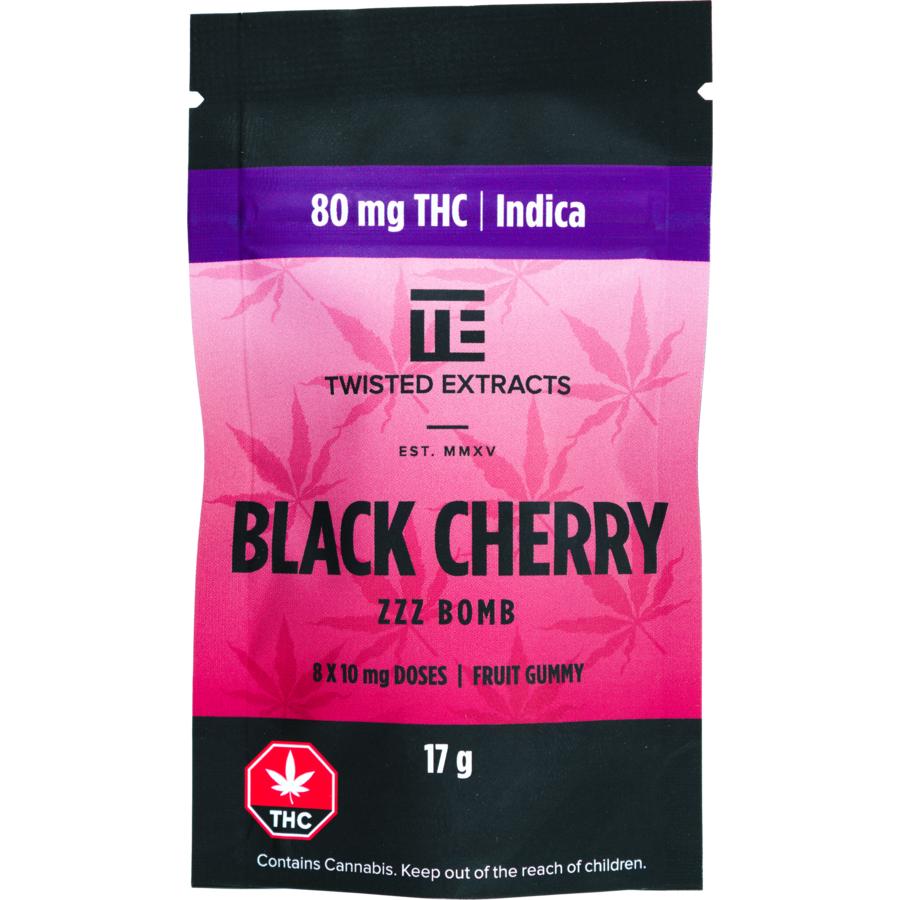
Black Cherry THC Indica Gummies
Price range: $230.00 through $450.00 -
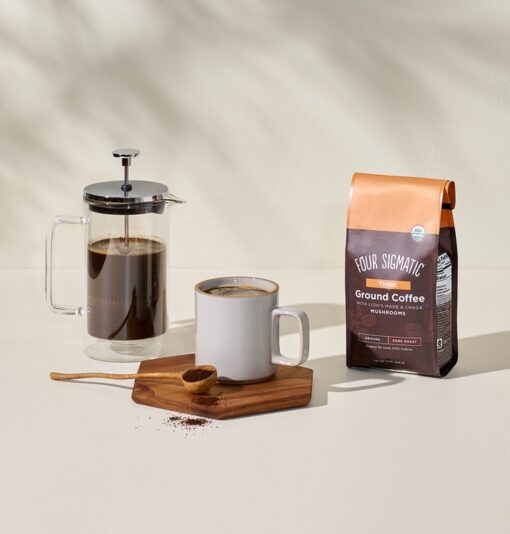
Buy Four sigmatic mushroom coffee
Price range: $175.00 through $400.00 -
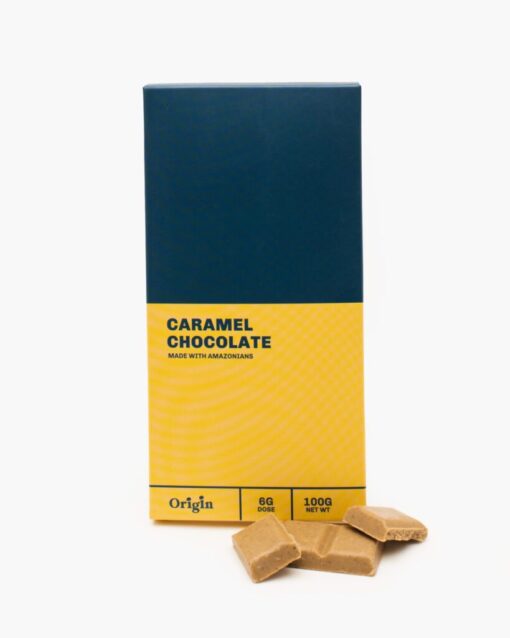
Caramel Chocolate Bar
Price range: $230.00 through $460.00 -
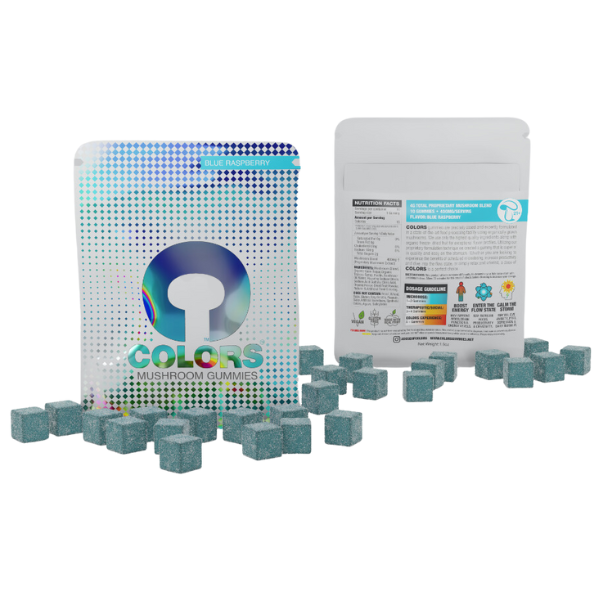
Colors Blue Raspberry Mushroom Gummies
Price range: $230.00 through $350.00 -
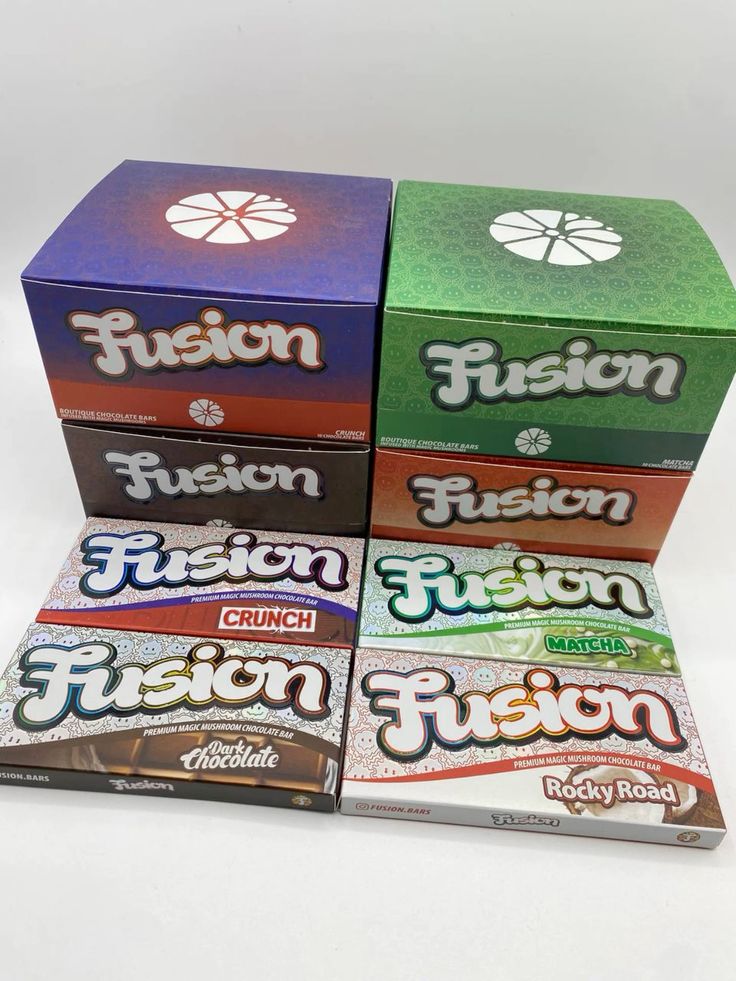
Fusion Mushroom Bars
Price range: $180.00 through $650.00 -
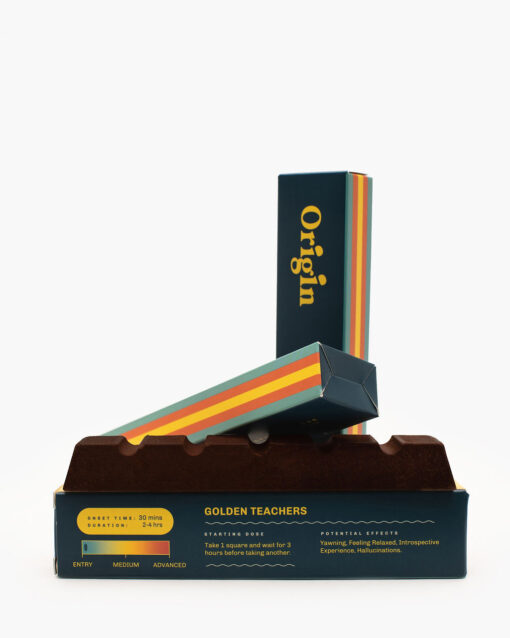
Golden Teacher Psychedelic Chocolate Bar
Price range: $230.00 through $445.00 -
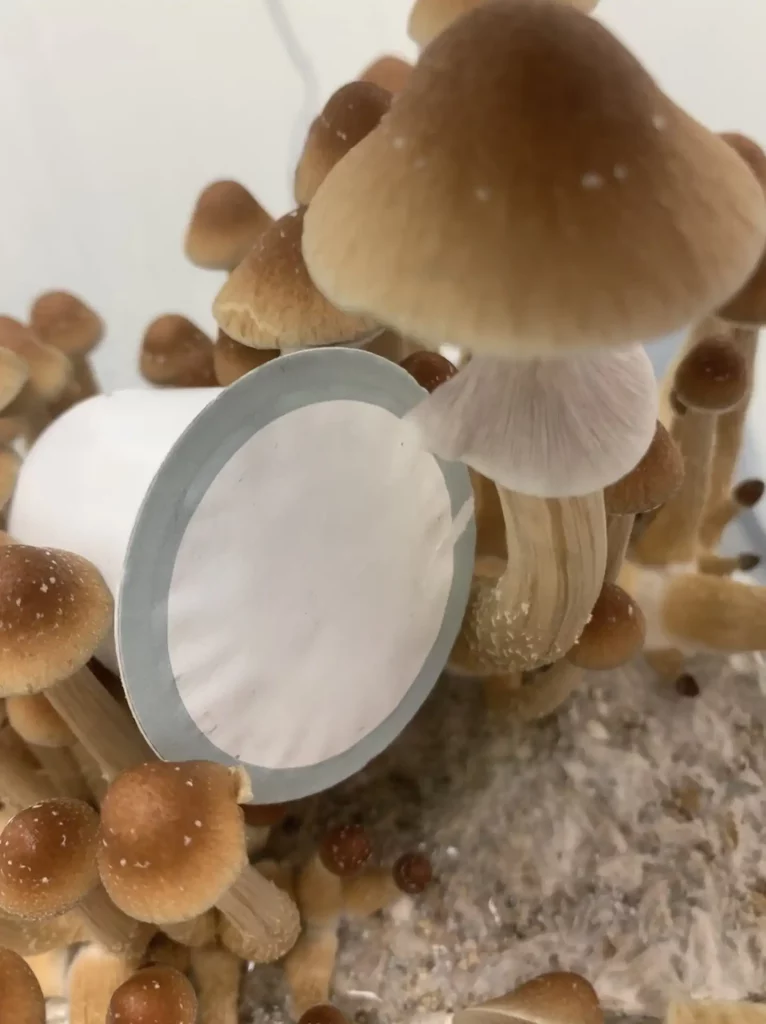
Magic Mushroom Psilocybin Coffee K-cups
Price range: $125.63 through $150.73 -

Midnight Mint Psychedelic Chocolate Bars
Price range: $230.00 through $430.00 -
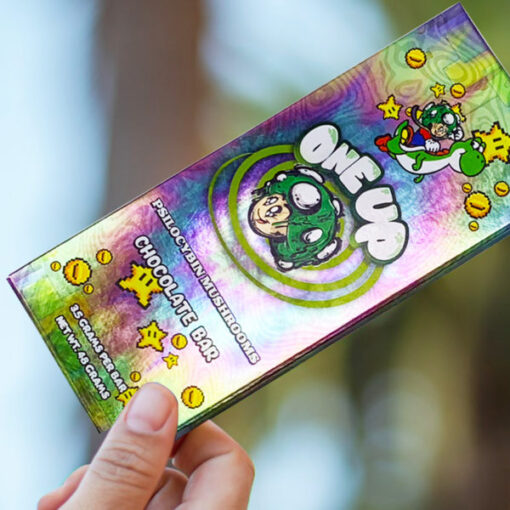
One Up Psilocybin Mushroom Chocolate Bar
Price range: $175.00 through $395.00