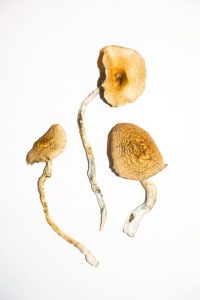
Lane Magic Mushrooms Store. Looking to buy magic mushrooms online safely and securely? At Magic Mushrooms Online Store, we offer a premium collection of high-quality psychedelic mushrooms, microdose capsules, and mushroom edibles — all lab-tested and delivered with complete discretion. Learn about different types of psychedelic mushrooms.
Can you buy magic online? Yes — Magic Mushrooms Online Store is your trusted source. Our platform is designed for safe, legal, and private ordering, helping you explore the benefits of psilocybin with confidence. If you’re wondering, “Where can I buy mushrooms online?”, look no further.
With fast shipping, verified potency, and exceptional customer care, buying magic mushrooms online at Magic Mushrooms Online Store is the smart, reliable choice for those seeking mindful experiences and natural healing. Shop now and unlock your journey within.
Magic mushrooms have become a subject of increasing interest in science, ecology, and cultural studies. These unique fungi are known for naturally occurring compounds such as psilocybin, which researchers have examined for their relationship with brain activity, perception, and human experiences.
In Lane, interest in fungi continues to grow as people learn more about the natural world and the important role mushrooms play in local ecosystems. While many conversations focus on their historical and scientific significance, understanding these fungi requires looking beyond popular discussions and exploring their biology, environmental role, and ongoing research.
This guide explores what magic mushrooms are, how they function in nature, why scientists study them, and their place within the broader world of mycology.
What Are Magic Mushrooms? – Lane Magic Mushrooms Store
Magic mushrooms are fungi that contain naturally occurring psychoactive compounds, mainly psilocybin and psilocin. These compounds belong to a chemical family known as tryptamines and have attracted attention from researchers studying neuroscience and human consciousness.
Although the term “magic mushrooms” is commonly used, it represents many different fungal species rather than a single type of mushroom. Many species belong to the Psilocybe genus, while other related fungi may contain similar compounds.
From a biological perspective, these mushrooms are part of the larger fungal kingdom, which includes thousands of species responsible for breaking down organic material, supporting ecosystems, and recycling nutrients.
The History of Psychedelic Mushrooms
The relationship between humans and psychedelic mushrooms has existed for centuries. Various cultures have documented the use of certain fungi in traditional ceremonies and spiritual practices.
Modern scientific interest began increasing during the twentieth century when researchers started isolating and studying compounds found in these mushrooms. The discovery of psilocybin as an active compound allowed scientists to investigate how these fungi interact with biological systems.
Today, research institutions continue examining psilocybin and related compounds through controlled scientific studies.
The Science Behind Psilocybin – Lane Magic Mushrooms Store
Psilocybin is a naturally occurring compound that the human body converts into psilocin. Psilocin interacts with serotonin receptors in the brain, particularly receptors involved in communication between nerve cells.
Serotonin is an important neurotransmitter associated with many biological processes, including:
- Mood regulation
- Memory
- Learning
- Sleep patterns
- Emotional processing
Researchers study how psilocin influences brain activity and communication between different regions. Advanced imaging techniques have helped scientists better understand how psychedelic compounds interact with neural networks.
The Role of Mushrooms in Nature
Beyond their scientific interest, mushrooms play an essential ecological role. Fungi are among nature’s most important decomposers, helping break down organic materials and return nutrients to the environment.
In natural habitats, fungi contribute to:
- Soil health
- Nutrient cycling
- Forest ecosystem balance
- Relationships between plants and microorganisms
Many mushroom species form underground networks called mycelium. These networks spread through soil and organic matter, creating complex systems that support fungal growth and ecological processes.
Mushroom Diversity and Identification
The world contains thousands of mushroom species, each adapted to specific environments. Some grow in forests, others in grasslands, and many thrive in areas with particular moisture and temperature conditions.
Identifying mushrooms requires careful observation because many species can look similar. Professional mycologists often examine several characteristics, including:
- Physical appearance
- Spore characteristics
- Habitat
- Microscopic features
- Genetic information
Accurate identification is an important part of scientific research and environmental studies.
Why Researchers Study Psychedelic Mushrooms
Scientific interest in psychedelic mushrooms has expanded in recent years. Researchers are investigating how compounds such as psilocybin interact with the human brain and nervous system.
Areas of scientific interest include:
- Brain connectivity
- Consciousness research
- Neurobiology
- Psychology
- Human perception
Scientists emphasize that research must take place under controlled conditions with appropriate oversight. Continued studies aim to better understand both the biological effects and potential applications of these compounds.
The Importance of Responsible Information – Lane Magic Mushrooms Store
Because discussions about magic mushrooms often include scientific, cultural, and personal perspectives, accurate information is important.
Reliable information should focus on:
- Scientific evidence
- Responsible research
- Environmental awareness
- Accurate identification
- Understanding local regulations
Misinformation can create confusion, especially when discussing complex topics involving biology, chemistry, and human health.
The Connection Between Fungi and Human Knowledge
Fungi have influenced human understanding of nature for thousands of years. They are not only organisms found in forests and fields but also important subjects in biology, medicine, agriculture, and environmental science.
Studying mushrooms helps scientists understand:
- How ecosystems function
- How organisms interact
- How natural compounds affect biological systems
- How biodiversity supports the planet
Magic mushrooms represent only a small part of the enormous fungal kingdom, yet they have encouraged significant interest in scientific discovery.
Modern Research and Future Discoveries
As technology advances, scientists continue developing new methods to study fungi and their compounds. Research tools such as brain imaging, molecular analysis, and genetic sequencing have expanded our understanding of mushroom biology.
Future studies may provide additional insights into:
- Fungal evolution
- Natural compound production
- Brain chemistry
- Ecological relationships
The continued exploration of fungi demonstrates how much remains to be discovered about the natural world.
Frequently Asked Questions – Lane Magic Mushrooms Store
What are magic mushrooms?
Magic mushrooms are fungi that contain naturally occurring compounds such as psilocybin and psilocin. They have been studied for their biological properties and historical significance.
Are all mushrooms the same?
No. Mushrooms represent thousands of different species with unique characteristics, habitats, and ecological roles.
Why are scientists interested in psilocybin?
Researchers study psilocybin because of its interaction with brain receptors and its importance in neuroscience research.
What role do mushrooms play in ecosystems?
Mushrooms help recycle nutrients, break down organic material, and support healthy ecosystems.
How do scientists identify mushroom species?
Researchers use physical characteristics, habitat information, microscopic analysis, and genetic methods to identify fungi accurately.
Why is mushroom research important?
Studying mushrooms improves understanding of biology, ecology, chemistry, and the relationship between natural compounds and living systems.
Conclusion
Magic mushrooms in Lane, like fungi around the world, represent a fascinating area of study involving biology, history, ecology, and science. While these organisms are often discussed because of their unique compounds, they are also valuable members of natural ecosystems.
Understanding their role requires looking at the bigger picture: how fungi grow, how they interact with the environment, and how researchers continue exploring their complex biology. As scientific knowledge expands, mushrooms remain an important reminder of the incredible diversity and complexity of the natural world.
-
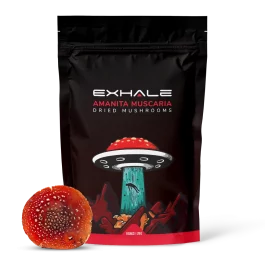 DRIED AMANITA MUSCARIA MUSHROOMSPrice range: $210.00 through $1,250.00
 -
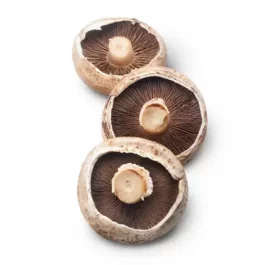 Portobello Mushroom (Agaricus bisporus)Price range: $210.00 through $1,250.00
 -
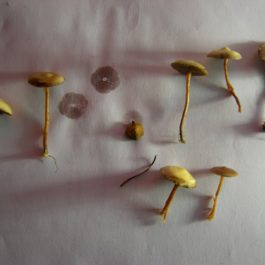 Psilocybe StuntziiPrice range: $210.00 through $1,250.00
 -
 Tidal Wave Magic MushroomsPrice range: $210.00 through $1,250.00
 -
 hawaiian magic mushroomsPrice range: $210.00 through $1,250.00
 -
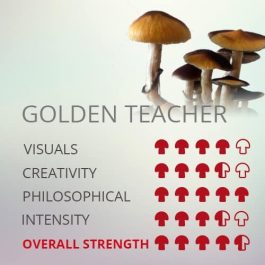 Golden Teacher ShroomsPrice range: $210.00 through $1,250.00
 -
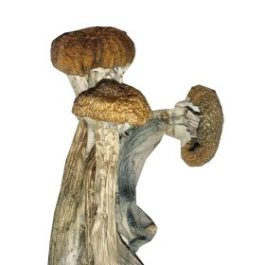 Ecuador MushroomsPrice range: $210.00 through $1,250.00
 -
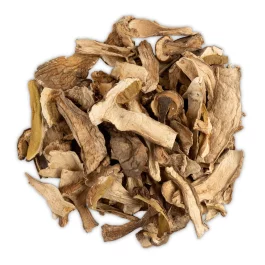 Porcini MushroomsPrice range: $210.00 through $1,250.00
 -
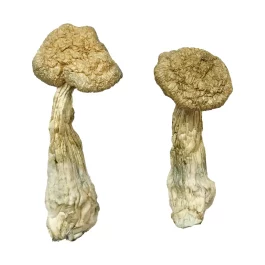 Burma Magic MushroomsPrice range: $210.00 through $1,250.00