
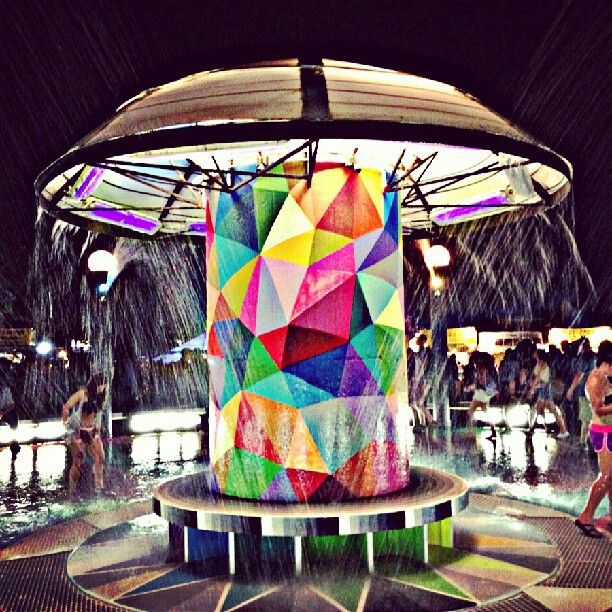
Selling Mushrooms at Festivals. Music festivals have long served as spaces where art, community, and personal expression come together. Alongside live performances and cultural experiences, discussions about psychoactive substances, including psilocybin-containing mushrooms, have become increasingly common. While mushrooms are associated with some festival environments, their presence varies widely depending on the event, local regulations, and cultural context.
From a research perspective, festivals provide an interesting setting for studying human behavior, environmental psychology, and public health. Researchers have explored how factors such as crowd density, loud music, lighting, sleep deprivation, hydration, and emotional stimulation may influence an individual’s overall experience. These variables are often discussed using the concepts of set (a person’s mindset) and setting (the surrounding environment), both of which have been extensively examined in psychedelic research.
This article provides a neutral overview of mushrooms in festival culture, emphasizing scientific understanding, environmental factors, and public health considerations rather than encouraging their use.
Types of Mushroom Festivals – Selling Mushrooms at Festivals
The term “mushroom festivals” can refer to two very different kinds of events: festivals that celebrate mushrooms as food, agriculture, and nature, and broader music or arts festivals where discussions about mushrooms may arise in cultural contexts. The following overview focuses on legitimate, community-oriented mushroom festivals centered on education, conservation, gastronomy, and mycology.
1. Wild Mushroom Festivals
Wild mushroom festivals celebrate the diversity of native fungi found in forests and natural landscapes. These events often feature guided mushroom walks led by experienced mycologists who help participants identify different species and explain their ecological importance.
Activities commonly include:
- Guided forest foraging demonstrations
- Mushroom identification workshops
- Educational lectures
- Photography exhibitions
- Conservation programs
- Local artisan markets
These festivals promote sustainable appreciation of wild fungi while emphasizing responsible foraging practices.
2. Culinary Mushroom Festivals
Culinary mushroom festivals highlight edible mushroom varieties and their role in global cuisine. Professional chefs, local restaurants, and specialty food producers prepare dishes featuring gourmet mushrooms such as shiitake, oyster, lion’s mane, porcini, and chanterelles.
Visitors may enjoy:
- Cooking demonstrations
- Gourmet tasting sessions
- Chef competitions
- Local food vendors
- Mushroom recipe workshops
- Food and wine pairings
These events showcase the versatility of mushrooms in modern and traditional cooking.
3. Mushroom Growing Festivals
Some festivals focus on mushroom cultivation and sustainable agriculture. These educational events are designed for hobbyists, commercial growers, researchers, and agricultural professionals interested in mushroom production.
Topics often include:
- Indoor cultivation systems
- Compost preparation
- Climate management
- Spawn production
- Disease prevention
- Harvesting techniques
- Sustainable farming practices
Experts frequently present the latest developments in mushroom cultivation technology and production methods.
4. Mycology and Science Festivals
Mycology festivals emphasize the scientific study of fungi. Universities, botanical gardens, research institutions, and mycological societies often organize these events to educate the public about fungal biology and ecology.
Educational sessions may cover:
- Fungal taxonomy
- Forest ecosystems
- Biodiversity
- Microscopy
- DNA identification
- Environmental conservation
- Climate research
These festivals encourage scientific learning while increasing awareness of the ecological importance of fungi.
5. Agricultural and Harvest Festivals
Many rural communities organize seasonal mushroom harvest festivals to celebrate local agriculture and regional mushroom production. These events often recognize the economic importance of mushroom farming while supporting local businesses and tourism.
Visitors can typically explore:
- Fresh mushroom markets
- Farm tours
- Agricultural exhibitions
- Equipment demonstrations
- Family activities
- Live entertainment
- Local craft vendors
Harvest festivals help connect consumers with local growers and promote sustainable agricultural practices.
6. Cultural and Heritage Mushroom Festivals
In regions with a long history of mushroom harvesting, cultural festivals celebrate traditional knowledge and local heritage. These events preserve historical practices, recipes, folklore, and community traditions associated with mushrooms.
Common attractions include:
- Traditional cooking demonstrations
- Folk music and dance performances
- Cultural exhibitions
- Historical presentations
- Handmade crafts
- Local cuisine
These festivals provide an opportunity to learn about how mushrooms have influenced regional cultures over generations.
7. Nature and Eco-Festivals
Environmental organizations often include mushroom education as part of larger nature and ecology festivals. These events focus on biodiversity, conservation, and sustainable land management.
Programs may feature:
- Forest ecology walks
- Wildlife education
- Conservation workshops
- Environmental exhibits
- Citizen science projects
- Children’s educational activities
Participants gain a greater understanding of the essential role fungi play in maintaining healthy ecosystems.
Psychedelic Mushrooms at Music Festivals – Selling Mushrooms at Festivals
Psychedelic mushrooms (psilocybin) are a staple subculture in the electronic dance music (EDM) and festival scenes, often sought for their sensory-enhancing, euphoric, and communal effects. However, consuming them in chaotic festival settings carries significant risks of paranoia, disorientation, and negative drug interactions
The Relationship Between Festivals and Mushroom Culture
Festivals have historically celebrated creativity, music, and social connection. Certain events have also become associated with countercultural movements that explore alternative forms of art, spirituality, and consciousness.
Psilocybin-containing mushrooms occasionally appear in discussions surrounding these environments because some attendees associate them with immersive artistic experiences. However, researchers emphasize that experiences involving psychoactive substances vary considerably among individuals and are influenced by numerous biological, psychological, and environmental factors.
Importantly, not all festivals have the same culture or policies. Many events actively prohibit illegal substances and implement extensive safety and security measures to protect attendees.
International Mushroom Conferences and Expos
Large-scale mushroom expos and conferences bring together researchers, commercial growers, food manufacturers, agricultural experts, and equipment suppliers from around the world. These professional events focus on innovation, research, and advances within the mushroom industry.
Topics commonly covered include:
- Commercial cultivation technologies
- Sustainable production systems
- Agricultural research
- Food processing innovations
- Supply chain management
- Packaging technologies
- Global market trends
These conferences provide valuable networking opportunities and showcase the latest developments in mushroom science and commercial production.
Benefits of Attending Mushroom Festivals – Where To Buy Mushrooms at Festivals Online USA
Mushroom festivals offer more than entertainment—they provide opportunities to expand knowledge, connect with experts, and explore the many roles fungi play in nature, agriculture, cuisine, and scientific research. Whether attending a local harvest celebration or an international mycology conference, visitors can gain practical insights into mushroom identification, sustainable cultivation, environmental conservation, and culinary innovation.
As interest in fungi continues to grow worldwide, mushroom festivals remain important educational platforms that bring together scientists, growers, chefs, conservationists, photographers, and nature enthusiasts to celebrate one of the planet’s most diverse and ecologically significant groups of organisms.
Why the Festival Environment Is Unique – Selling Mushrooms at Festivals
Large festivals create a complex sensory environment that differs significantly from everyday life. Several factors contribute to this uniqueness:
Continuous Sensory Stimulation
Festival environments often include:
- High-volume music
- Dynamic lighting systems
- Large video displays
- Interactive art installations
- Dense crowds
- Extended performance schedules
These elements create continuous sensory input that can influence mood, attention, and emotional responses.
Social Dynamics
Festivals bring together thousands of individuals from diverse backgrounds. Social interactions may influence emotions, decision-making, and perceptions of the overall experience.
Researchers studying environmental psychology note that group settings can amplify emotional responses, whether positive or negative.
Physical Demands
Attending a festival frequently involves:
- Long periods of walking
- Standing for extended durations
- Variable weather conditions
- Limited sleep
- Changes in eating routines
These physical factors can affect energy levels, comfort, and overall well-being.
The Importance of Set and Setting
One of the most widely discussed concepts in psychedelic research is the interaction between set and setting.
Set
“Set” refers to an individual’s internal state, including:
- Expectations
- Emotional well-being
- Personality
- Previous experiences
- Stress levels
- Mental preparedness
Researchers suggest that mindset can influence how individuals interpret and respond to challenging or emotionally significant situations.
Setting
“Setting” describes the external environment, including:
- Physical surroundings
- Social interactions
- Noise levels
- Lighting
- Temperature
- Availability of support
Festival settings are highly dynamic, meaning environmental conditions can change rapidly throughout an event.
Public Health Considerations
Public health organizations recognize that festivals present unique challenges because of large crowds and physically demanding conditions. Event organizers commonly implement measures designed to improve attendee safety, including:
- Medical stations
- Security personnel
- Hydration points
- Emergency response teams
- Clearly marked exits
- Lost-person services
- Crowd management systems
These resources are intended to support all attendees, regardless of the circumstances requiring assistance.
Hydration and Environmental Conditions
Hydration is an important consideration during outdoor events.
Factors contributing to dehydration include:
- High temperatures
- Physical activity
- Sun exposure
- Sweating
- Long periods without access to fluids
Maintaining appropriate hydration and taking breaks in shaded or cool areas can help reduce the risk of heat-related illness.
Sleep and Fatigue
Many festivals span multiple days, making adequate rest challenging.
Sleep deprivation may contribute to:
- Reduced concentration
- Slower reaction times
- Mood changes
- Increased fatigue
- Difficulty making decisions
Planning opportunities for rest can improve comfort and reduce physical strain during extended events.
Nutrition During Festivals
Balanced nutrition supports energy levels throughout long festival days.
Many organizers provide diverse food options to accommodate different dietary needs. Regular meals and sufficient fluid intake can help attendees manage the physical demands of the event.
Crowd Awareness
Large gatherings require awareness of one’s surroundings.
Practical considerations include:
- Knowing emergency exit locations
- Identifying medical tents
- Staying with trusted companions
- Keeping communication devices charged
- Establishing meeting points in advance
Simple planning measures can make navigating crowded environments easier.
Psychological Research
Researchers studying festival environments examine topics such as:
- Group behavior
- Emotional regulation
- Social bonding
- Sensory processing
- Environmental influences on decision-making
These studies contribute to broader knowledge about human behavior in large public gatherings.
Harm Reduction Principles
Public health experts often discuss harm reduction as a strategy for reducing preventable injuries at festivals. Harm reduction does not encourage substance use; rather, it focuses on practical measures that support safety for everyone attending an event.
Examples include:
- Knowing where medical services are located.
- Remaining hydrated.
- Avoiding excessive heat exposure.
- Looking out for friends and companions.
- Seeking medical assistance promptly if someone appears unwell.
Early access to professional medical care can make a significant difference during emergencies.
Festival Policies
Most organized festivals publish rules covering:
- Prohibited items
- Security procedures
- Medical services
- Camping regulations
- Emergency contacts
- Re-entry policies
Reviewing these policies before attending can help visitors understand event expectations and available resources.
Ongoing Research – Selling Mushrooms at Festivals
Scientists continue to investigate how environmental conditions influence cognition, emotion, and decision-making in large social settings. Festival environments provide valuable opportunities to study crowd behavior, stress responses, and public health interventions while informing future event planning and safety practices.
Why Mushroom Festivals Are Popular
Mushroom festivals continue to attract visitors because they combine education, science, food, agriculture, and outdoor recreation in one experience. Whether the focus is gourmet cuisine, scientific discovery, sustainable farming, or environmental conservation, these events provide opportunities for people to learn about the remarkable diversity and ecological significance of fungi.
Many festivals also support local economies by promoting tourism, regional agriculture, small businesses, and community engagement. As public interest in fungi continues to grow, mushroom festivals remain valuable platforms for education, cultural exchange, and appreciation of one of nature’s most fascinating kingdoms. Now you are invited to buy psychedelic magic mushrooms online USA here.
Frequently Asked Questions – Selling Mushrooms at Festivals
What are mushrooms in the context of festivals?
In discussions about festivals, “mushrooms” generally refers to psilocybin-containing mushrooms. Their presence varies by event, and many festivals prohibit illegal substances.
Why are festivals often mentioned in psychedelic research?
Festivals combine intense sensory stimulation, social interaction, and changing environmental conditions, making them useful settings for studying human behavior and environmental psychology.
What does “set and setting” mean?
“Set” refers to a person’s mindset, while “setting” refers to the physical and social environment. Both are widely discussed in psychological and neuroscientific research.
Why is hydration important at festivals?
Outdoor events often involve heat, physical activity, and long hours, increasing the risk of dehydration. Drinking water regularly and taking breaks can help maintain well-being.
What should attendees know before going to a festival?
It’s helpful to familiarize yourself with the event’s policies, locate medical stations and emergency exits, keep your phone charged, and arrange meeting points with friends.
Why do festivals have medical tents?
Medical teams provide care for a wide range of issues, including dehydration, injuries, heat-related illnesses, and other emergencies. Attendees should seek assistance promptly if they or someone else needs help.
Are festivals safe?
Safety depends on many factors, including event organization, crowd behavior, weather conditions, and individual preparedness. Following event rules and using available safety resources can contribute to a safer experience.
What are researchers studying about festivals?
Current research examines crowd dynamics, environmental influences, emotional responses, public health strategies, and ways to improve safety and attendee experiences at large events.
Products by Category
-
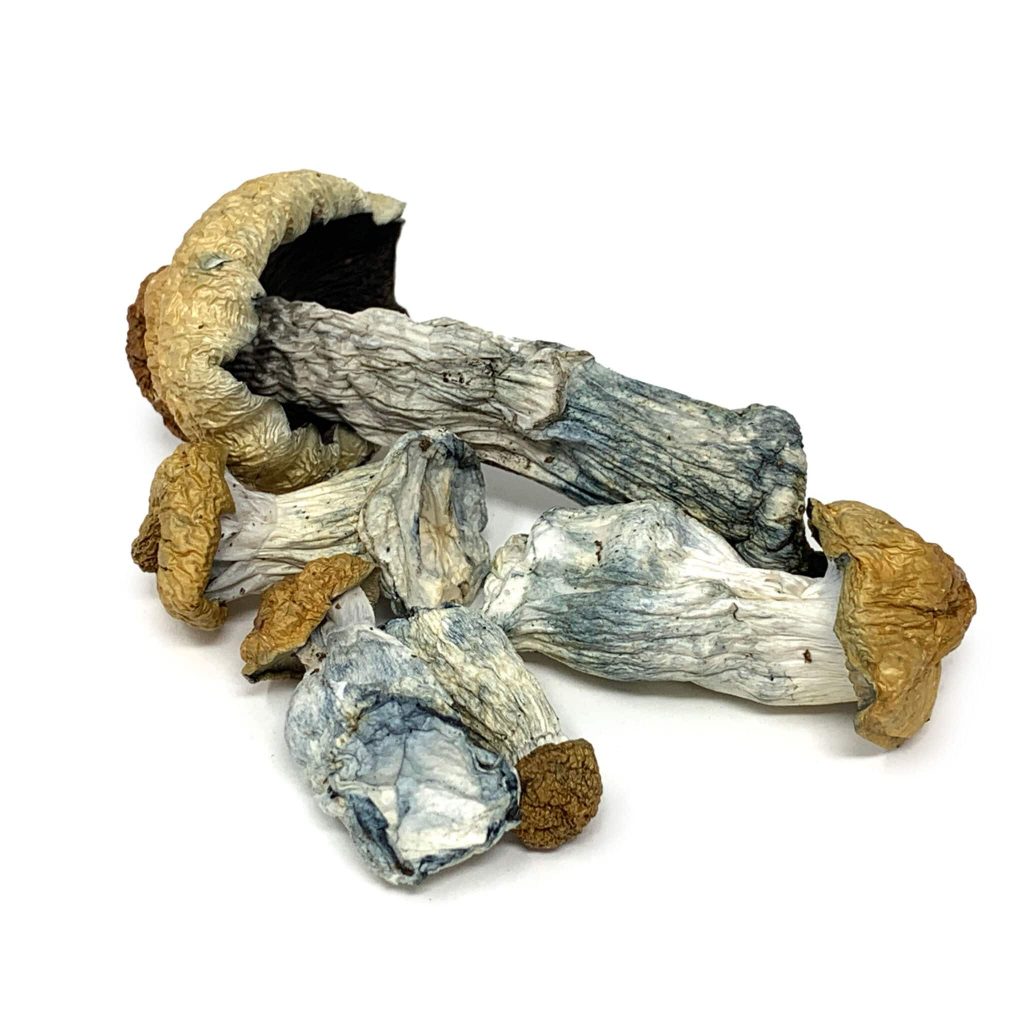
Albino Penis Envy Mushroom
Price range: $210.00 through $1,250.00 -
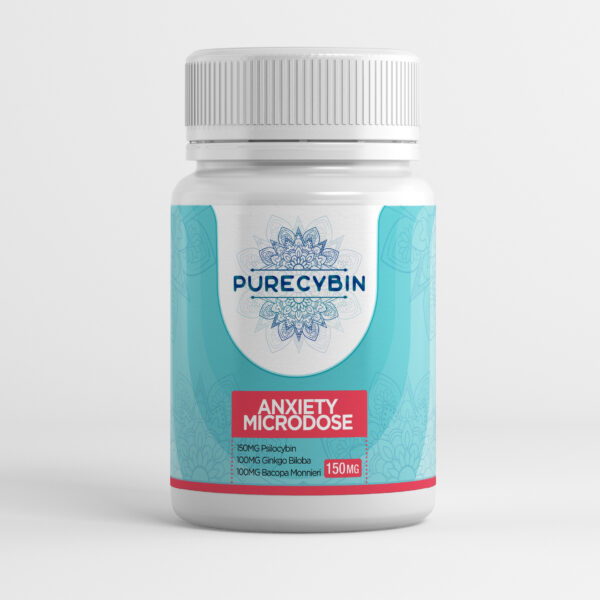
Anxiety Microdose (30)
Price range: $190.00 through $265.00 -
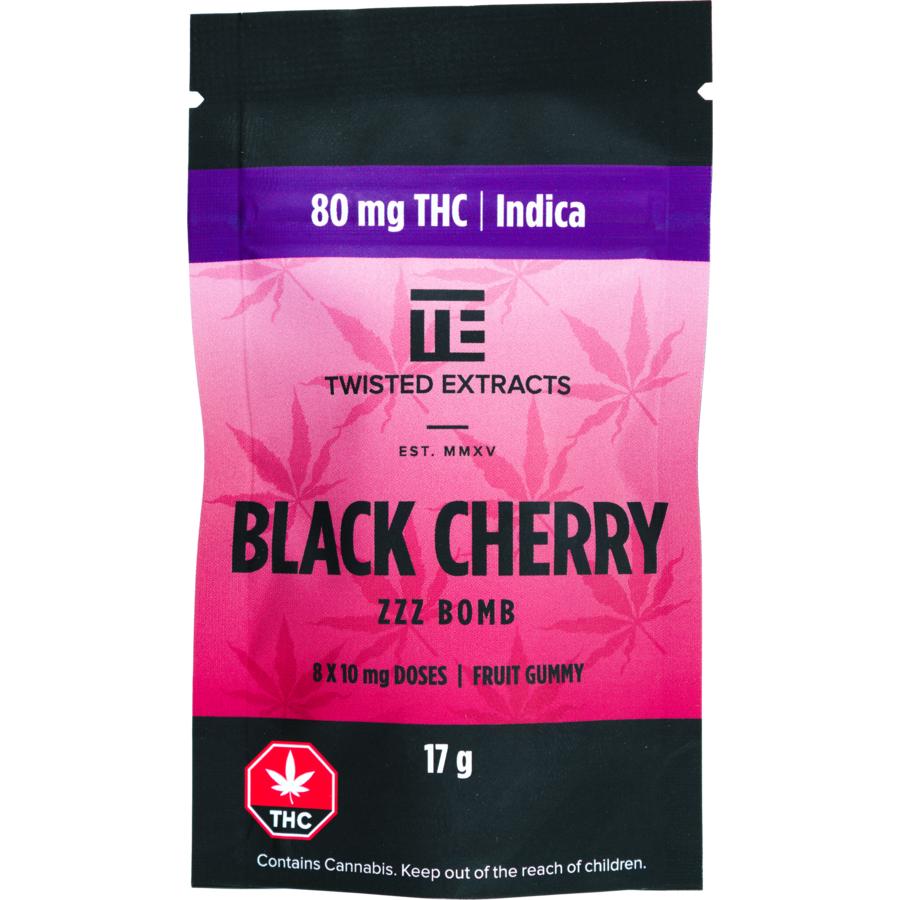
Black Cherry THC Indica Gummies
Price range: $230.00 through $450.00 -

Brain Lift Nootropic Microdose (30)
$190.00 -
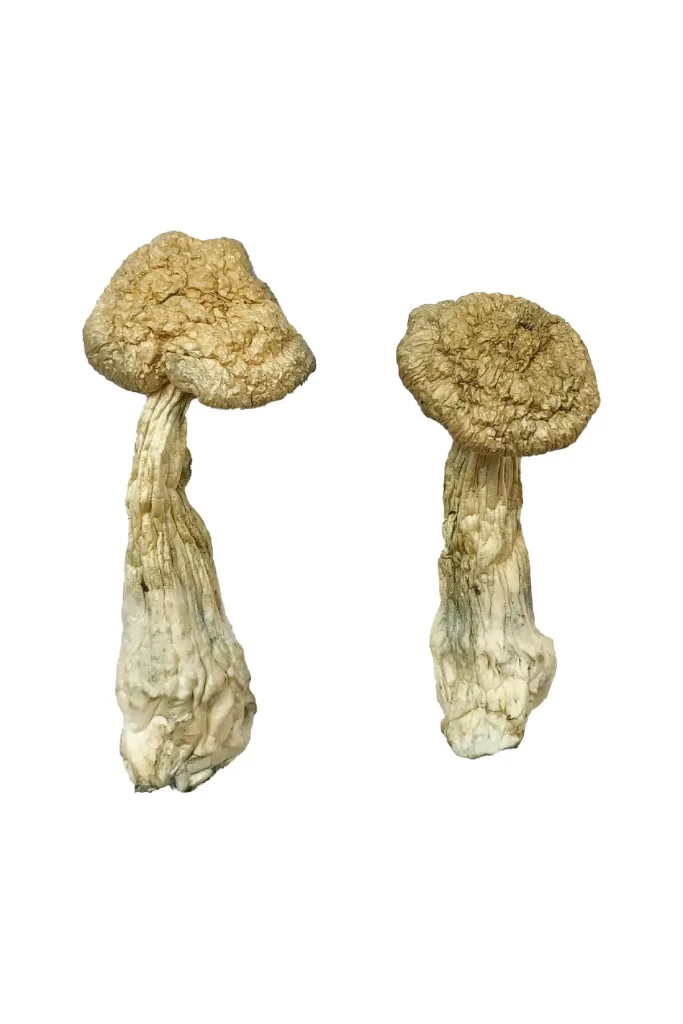
Burma Magic Mushrooms
Price range: $210.00 through $1,250.00 -

Buy Four sigmatic mushroom coffee
Price range: $175.00 through $400.00 -

CAMBODIAN CUBENSIS CAPSULES.
Price range: $250.00 through $650.00 -
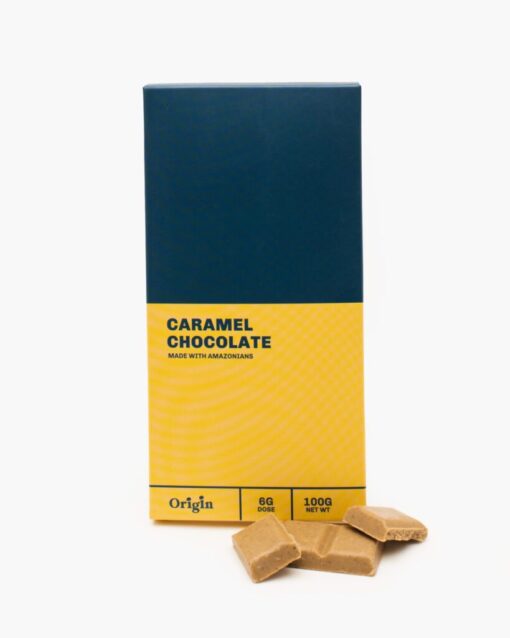
Caramel Chocolate Bar
Price range: $230.00 through $460.00 -
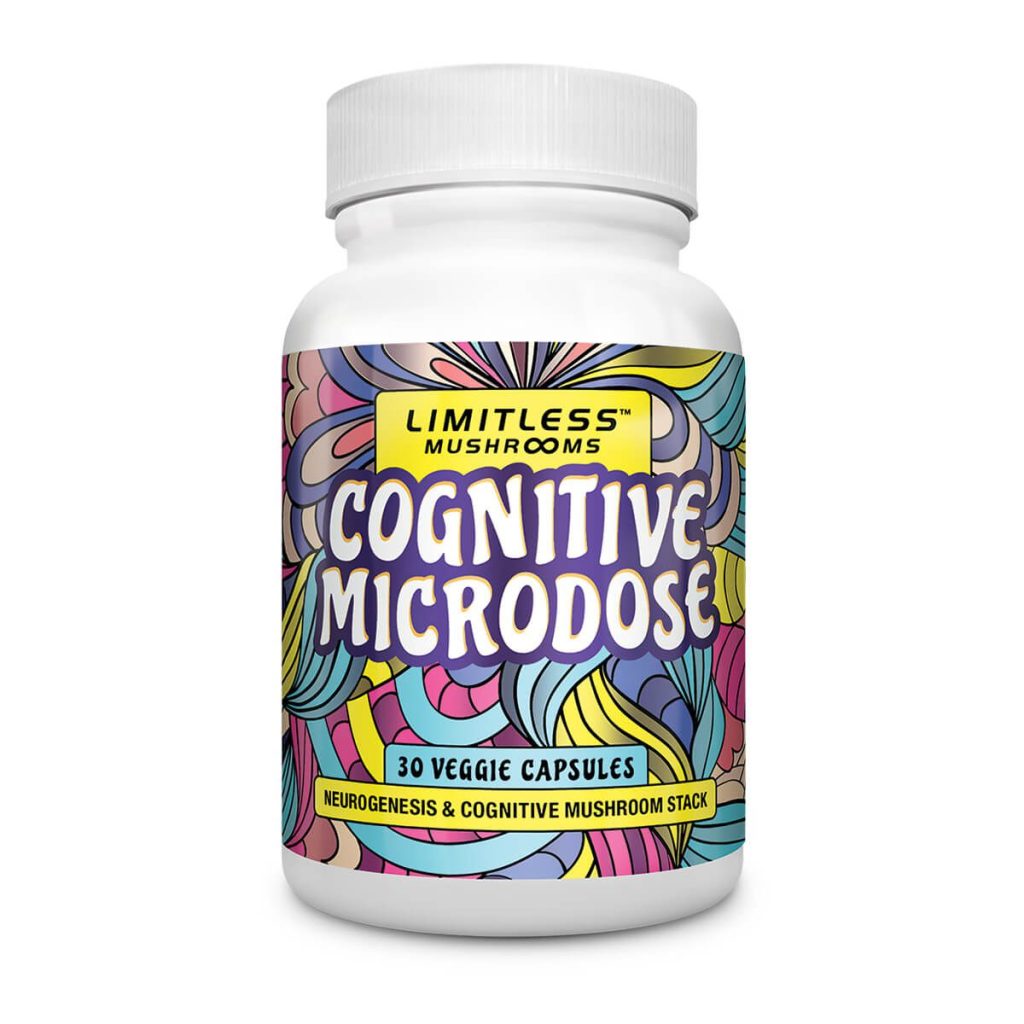
Cognitive Microdose
$190.00
