Mushroom chocolate bars USA. In 2026, interest in mushroom chocolate bars in the United States continues to grow. At the same time, access remains complex due to evolving laws, regional differences, and the lack of federal regulation for most psychedelic products. This creates a landscape where education, awareness, and careful decision-making are essential.
This guide explores how Americans are accessing these products, the legal pathways that exist in some areas, the risks associated with underground markets, and why harm reduction and education are critical. Learn about the ingredients and potency testing of mushroom chocolate bars.
The Evolving Legal Landscape in the U.S. – Mushroom chocolate bars USA
The United States does not have a unified federal policy that allows the widespread legal sale of psilocybin-based products, including mushroom chocolate bars. However, certain states and cities have begun exploring new approaches.
1. Decriminalization vs. Legalization
- Decriminalization means law enforcement may not prioritize prosecuting possession, but the substance is still technically illegal.
- Legalization means regulated production, sale, and use under specific laws.
Some jurisdictions have taken steps toward decriminalization, allowing personal use to be treated with reduced legal consequences. Others are exploring regulated therapeutic models.
Organizations like the
U.S. Food and Drug Administration
continue to evaluate the safety and therapeutic potential of psychedelic compounds, but full federal approval for recreational use has not been granted.
Legal Pathways for Access in 2026 – Mushroom chocolate bars USA
Although access is limited, there are a few emerging legal or semi-legal pathways.
1. Clinical Research Programs
Some Americans access psilocybin or related compounds through controlled clinical trials. These programs are:
- Highly regulated
- Supervised by professionals
- Designed for research and therapeutic purposes
Institutions like the
Johns Hopkins Center for Psychedelic and Consciousness Research
are at the forefront of studying psychedelics in clinical settings.
2. State-Level Medical Programs
Certain states are exploring or implementing regulated therapeutic frameworks. These programs may include:
- Supervised administration
- Licensed facilitators
- Controlled dosing environments
Access through these programs typically requires:
- Eligibility criteria
- Medical or psychological evaluation
- Participation in a structured program
3. Natural and Decriminalized Areas
In some regions, enforcement priorities have shifted, making personal use less likely to result in prosecution. However:
- Products are still not officially regulated
- Safety and quality may vary
- Legal risks may still exist
The Underground Market: Risks and Realities
Because legal access is limited, many people turn to underground or informal sources. While this increases availability, it also introduces significant risks.
1. Unregulated Products
Underground products may:
- Lack quality control
- Have unknown ingredients
- Contain inconsistent potency
Without regulation, there is no guarantee of safety or accuracy.
2. Counterfeit or Misrepresented Products
Some products labeled as mushroom chocolate bars may:
- Contain no mushrooms at all
- Include other psychoactive substances
- Be falsely branded to appear legitimate
This is why verifying sources is so important.
3. Contamination Risks
Unregulated products may contain:
- Harmful chemicals
- Microbial contamination
- Heavy metals
These risks can impact consumer health.
4. Legal Consequences
Depending on the state, possession or distribution may still carry legal consequences. Laws vary significantly, so it is important to understand local regulations before engaging with any product.
How Americans Are Accessing Mushroom Chocolate Bars Safely
Despite these risks, many individuals are taking steps to improve safety and reduce harm.
1. Prioritizing Lab Testing and Transparency
One of the most important safety measures is choosing products that have been tested by independent labs. Lab testing can confirm:
- Ingredient authenticity
- Potency levels
- Absence of contaminants
Testing helps reduce uncertainty and increase confidence in product quality.
2. Seeking Education First
Education is one of the most effective tools for safe access. Many users are learning about:
- Dosage guidelines
- Effects and duration
- Harm reduction practices
Online communities, educational platforms, and harm reduction groups provide information that helps individuals make informed decisions.
3. Harm Reduction Practices
Harm reduction focuses on minimizing risks rather than promoting use. Common practices include:
- Starting with low amounts
- Using in a safe, familiar environment
- Avoiding mixing substances
- Having a trusted, sober person present
- Being aware of mental and physical state
These practices help reduce the likelihood of negative experiences.
4. Avoiding Unknown Sources
Many safety issues arise from unverified sources. Safer approaches include:
- Researching sellers carefully
- Checking for transparency
- Avoiding impulsive purchases
When product origin is unclear, the risks increase significantly.
The Importance of Education and Awareness
Education is a critical factor in promoting safe use and reducing harm.
1. Understanding Potency
Potency varies widely between products. Education helps users:
- Recognize that potency is not always consistent
- Avoid overconsumption
- Make informed choices
2. Recognizing Risk Factors
Being informed helps individuals identify:
- Unsafe or suspicious products
- Red flags in labeling and packaging
- Potential legal implications
3. Reducing Harm in Unregulated Markets
Since many mushroom chocolate bars are not regulated, education fills an important gap by providing:
- Safety guidelines
- Testing awareness
- Responsible use practices
The Role of Public Health and Research – Mushroom chocolate bars USA
Public health organizations and research institutions are actively studying psychedelics to better understand their effects and risks.
Research efforts aim to:
- Improve safety standards
- Explore therapeutic applications
- Develop evidence-based guidelines
This growing body of research contributes to safer future frameworks.
The Future of Access in the U.S.
The landscape for mushroom chocolate bars and related products is likely to evolve further.
Possible future developments include:
- Expanded clinical access
- More regulated state programs
- Standardized testing requirements
- Improved labeling and consumer protections
As awareness grows, there is potential for more structured and safer access pathways.
Conclusion – Mushroom chocolate bars USA
Access to mushroom chocolate bars in the United States in 2026 exists within a complex and evolving landscape. While some legal pathways are emerging, much of the market remains unregulated, which introduces risks related to safety, quality, and legality.
Americans navigating this space are increasingly relying on:
- Education
- Lab testing
- Harm reduction practices
- Careful evaluation of sources
Ultimately, safety depends on awareness and informed decision-making. As research continues and policies evolve, the future may bring clearer guidelines and safer access—but for now, caution and education remain essential. Here, you are invited to learn about the safe use of mushroom chocolate bars.
Frequently Asked Questions:
1. Are mushroom chocolate bars legal in the USA?
Laws vary by location. Most psilocybin products remain illegal under federal law, though some areas have decriminalized or are exploring regulated access.
2. How are Americans accessing mushroom chocolate bars safely?
Some access occurs through clinical trials, regulated programs, or decriminalized areas, along with harm reduction practices and education.
3. What are the risks of underground mushroom chocolate products?
Risks include unknown ingredients, inconsistent potency, contamination, and potential legal consequences.
4. Why is lab testing important?
Lab testing helps confirm ingredients, measure potency, and detect contaminants, improving safety and reliability.
5. What is harm reduction?
Harm reduction refers to practices that aim to minimize risks, such as using lower amounts, choosing safe environments, and avoiding substance mixing.
6. What should I check before using a mushroom chocolate product?
Check for lab testing, transparent labeling, reputable sources, and consistent product information.
7. What does the future look like for access in the U.S.?
The future may include more regulated access, expanded research, and improved safety standards as laws and understanding evolve.
Products by Category
-
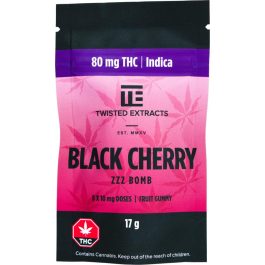
Black Cherry THC Indica Gummies
Price range: $230.00 through $450.00 -
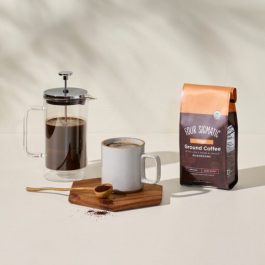
Buy Four sigmatic mushroom coffee
Price range: $175.00 through $400.00 -
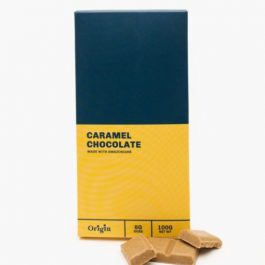
Caramel Chocolate – Psychedelic Chocolate Bar
Price range: $230.00 through $460.00 -
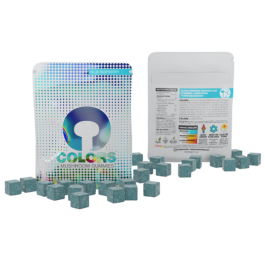
Colors Blue Raspberry Mushroom Gummies
Price range: $230.00 through $350.00 -
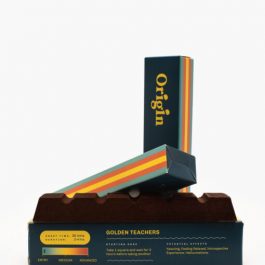
Golden Teacher Psychedelic Chocolate Bar
Price range: $230.00 through $445.00 -
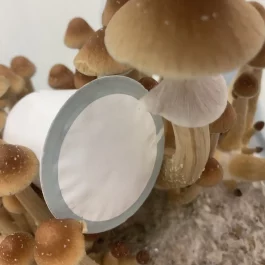
Magic Mushroom Psilocybin Coffee K-cups
Price range: $125.63 through $150.73 -

Midnight Mint Psychedelic Chocolate Bars
Price range: $230.00 through $430.00 -
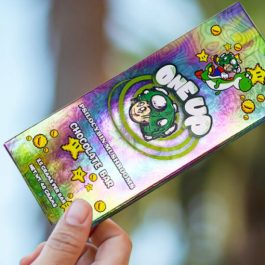
One Up Psilocybin Mushroom Chocolate Bar
Price range: $175.00 through $395.00 -
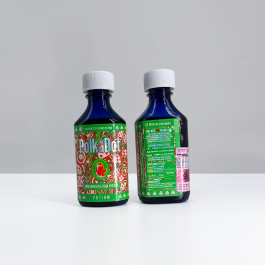
Polka Dot Magic Mushroom Potion 4g
Price range: $250.00 through $950.00