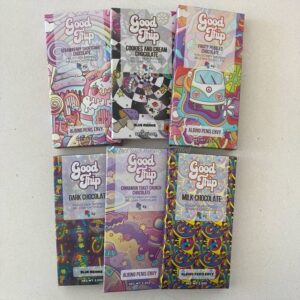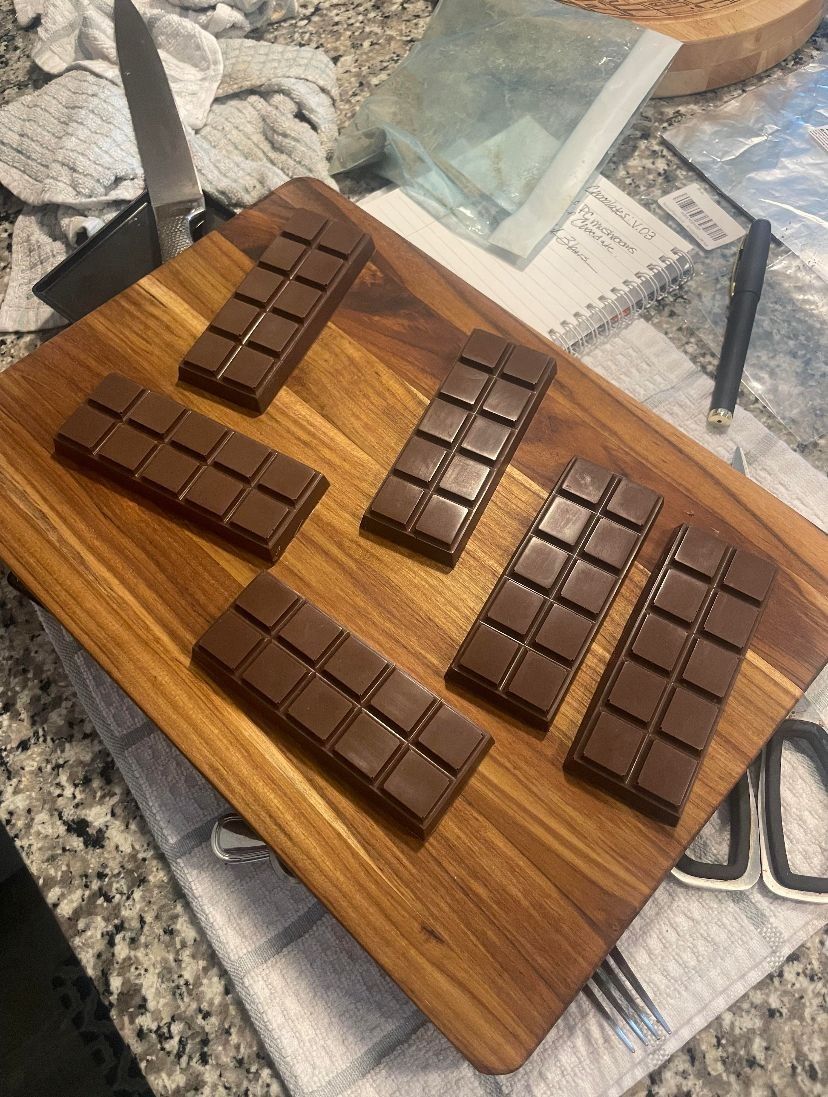
Mushroom Chocolate Bars Explained. Mushroom chocolate bars have gained significant attention in recent years, especially in the United States. These products are often marketed as a convenient and palatable way to consume mushroom-based compounds. However, because many of these products exist outside strict regulatory systems, understanding what’s actually inside them is essential for safety and informed decision-making.
This guide explores the typical ingredients found in mushroom chocolate bars, how potency is determined, and why lab testing plays a critical role in consumer safety and product reliability. Learn about safe Use of Mushroom Chocolate Bars
Understanding Mushroom Chocolate Bars – Mushroom Chocolate Bars Explained
A mushroom chocolate bar is typically a confection that combines chocolate with mushroom-derived compounds. In some cases, these products contain psilocybin or psilocin (naturally occurring psychoactive compounds found in certain mushrooms). However, not all products labeled as “mushroom chocolate” are the same.
Some may contain:
- Natural mushroom extracts
- Synthetic or lab-created compounds
- No active mushroom ingredients at all
Because of this variation, consumers need to be cautious and informed.
Common Ingredients in Mushroom Chocolate Bars
While formulations can differ widely, most mushroom chocolate bars contain a mix of the following components:
1. Chocolate Base
The chocolate serves as the primary carrier for the active ingredients. It may include:
- Cocoa solids
- Cocoa butter
- Sugar or alternative sweeteners
- Milk solids (in some cases)
Chocolate helps mask the natural taste of mushrooms, making consumption easier and more enjoyable.
2. Mushroom Compounds
If authentic, the bar may contain compounds derived from mushrooms such as psilocybin. Once ingested, psilocybin converts into psilocin in the body, which is responsible for psychoactive effects.
However, it is important to note:
- Not all products contain actual mushroom extracts
- Some may include synthetic alternatives
- Others may contain undisclosed substances
This variability is one of the biggest concerns in unregulated markets.
3. Flavoring Agents
To improve taste, manufacturers may add:
- Vanilla or natural flavors
- Fruit extracts
- Artificial flavorings
These help enhance the overall consumer experience and reduce bitterness.
4. Emulsifiers and Stabilizers
These ingredients help maintain texture and consistency:
- Soy lecithin
- Sunflower lecithin
- Other binding agents
They ensure that the active compounds are evenly distributed throughout the chocolate.
5. Additives and Fillers
Some products may include additional ingredients to:
- Increase volume
- Alter texture
- Modify absorption rates
The presence of fillers can affect both potency and consistency.
Understanding Potency in Mushroom Chocolate Bars – Mushroom Chocolate Bars Explained
Potency refers to the strength or concentration of active compounds in the product. This is one of the most critical—and often misunderstood—aspects of mushroom chocolate bars.
1. What Determines Potency?
Potency depends on several factors:
- Amount of active compounds per serving
- Distribution of compounds within the bar
- Quality of raw materials
- Manufacturing precision
Without proper standardization, potency can vary significantly between products.
2. Why Potency Matters
Accurate potency is essential because it helps users:
- Understand what to expect
- Avoid overconsumption
- Reduce the risk of adverse experiences
Inconsistent potency can lead to unpredictable outcomes, especially when products are not tested or regulated.
3. The Challenge of Dosing Accuracy
In many unregulated products:
- Dosage is estimated rather than measured precisely
- Active compounds may not be evenly distributed
- Label claims may not match actual content
This creates uncertainty and increases risk for consumers.
Why Lab Testing Is Critical – Mushroom Chocolate Bars Explained
Lab testing is one of the most important tools for ensuring product safety and accuracy.
1. Verifying Ingredients
Lab tests can confirm:
- Whether mushroom compounds are present
- The exact concentration of active ingredients
- Whether the product matches its label claims
This helps protect consumers from mislabeled or misleading products.
2. Detecting Contaminants
A major concern in unregulated products is contamination. Lab testing can identify:
- Heavy metals
- Microbial contamination
- Residual solvents
- Harmful additives
Contaminants can pose serious health risks if left undetected.
3. Ensuring Consistency
Reliable lab testing helps ensure:
- Each batch contains consistent potency
- Products behave predictably
- Consumers can make informed decisions
Consistency is especially important for those seeking controlled and predictable experiences.
4. Building Trust and Transparency
Products that undergo lab testing typically provide:
- Certificates of Analysis (COAs)
- Transparent ingredient listings
- Verified potency levels
Organizations like the
U.S. Food and Drug Administration
highlight the importance of accurate labeling and product safety in consumer goods.
What to Look for in a Quality Mushroom Chocolate Product
When evaluating mushroom chocolate products, consider the following:
1. Lab Testing Documentation
Look for third-party test results that confirm:
- Ingredient authenticity
- Potency levels
- Absence of contaminants
2. Clear Labeling
Reliable products should include:
- Ingredient lists
- Serving sizes
- Batch or lot numbers
3. Manufacturer Transparency
Trustworthy brands:
- Provide contact information
- Share sourcing details
- Offer clear product information
4. Consistency Across Batches
A quality product should maintain:
- Uniform appearance
- Predictable potency
- Consistent flavor and texture
The Risks of Untested Mushroom Chocolate Bars
Products without proper testing may present several risks:
1. Unknown Contents
You may not know exactly what is inside the product.
2. Inaccurate Potency
Potency may be too weak—or unexpectedly strong.
3. Contamination Risks
Without testing, harmful substances may go undetected.
4. Misleading Labeling
Some products may claim to contain certain ingredients that are not present.
The Role of Regulation and Research
Because many mushroom chocolate products exist outside formal regulatory systems, oversight is limited. However, research institutions and health organizations continue to study these compounds.
Organizations such as the
Johns Hopkins Center for Psychedelic and Consciousness Research
are contributing to scientific understanding of psychedelics, including their effects, safety, and therapeutic potential.
Harm Reduction Considerations – Mushroom Chocolate Bars Explained
Even when exploring products like mushroom chocolate bars, harm reduction principles are important:
- Be informed about what you are consuming
- Look for lab-tested products when possible
- Be cautious of unknown or unverified sources
- Avoid combining with other substances
- Pay attention to your environment and mental state
Conclusion
Mushroom chocolate bars may seem simple on the surface, but their contents can vary widely. Ingredients, potency, and lab testing all play crucial roles in determining whether a product is safe and reliable.
Because many of these products exist in unregulated spaces, consumers should prioritize awareness and caution. Lab testing remains one of the most effective ways to ensure accuracy, reduce risk, and build trust in a product.
By understanding what’s inside these products—and why testing matters—users can make more informed and responsible decisions. Understanding the Psychedelic Landscape USA.
Frequently Asked Questions – Mushroom Chocolate Bars Explained
1. What is typically inside a mushroom chocolate bar?
Most mushroom chocolate bars contain chocolate, flavoring agents, emulsifiers, and mushroom-derived compounds such as psilocybin—though not all products are authentic or accurately labeled.
2. How can I know if a mushroom chocolate bar is potent?
Potency should be verified through lab testing. Without testing, potency claims may be inaccurate or inconsistent.
3. Why is dosing accuracy important?
Accurate dosing helps ensure predictable effects and reduces the risk of unexpected or overwhelming experiences.
4. What does lab testing confirm?
Lab testing verifies ingredients, measures potency, and detects contaminants such as heavy metals or harmful substances.
5. Are all mushroom chocolate bars the same?
No. Products vary widely in ingredients, potency, and quality, especially in unregulated markets.
6. What are the risks of untested products?
Risks include unknown ingredients, inconsistent potency, contamination, and misleading labeling.
7. How can I choose a safer product?
Look for lab-tested products, clear labeling, and transparent manufacturers who provide verified product information.
Products by Category
-
Black Cherry THC Indica Gummies
Price range: $230.00 through $450.00 -

Buy Four sigmatic mushroom coffee
Price range: $175.00 through $400.00 -

Caramel Chocolate – Psychedelic Chocolate Bar
Price range: $230.00 through $460.00 -
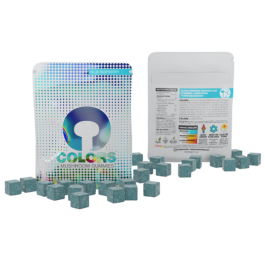
Colors Blue Raspberry Mushroom Gummies
Price range: $230.00 through $350.00 -

Golden Teacher Psychedelic Chocolate Bar
Price range: $230.00 through $445.00 -
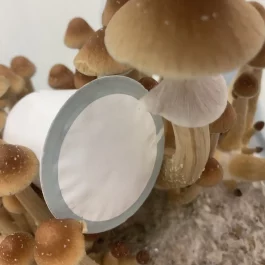
Magic Mushroom Psilocybin Coffee K-cups
Price range: $125.63 through $150.73 -

Midnight Mint Psychedelic Chocolate Bars
Price range: $230.00 through $430.00 -
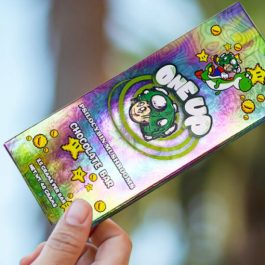
One Up Psilocybin Mushroom Chocolate Bar
Price range: $175.00 through $395.00 -
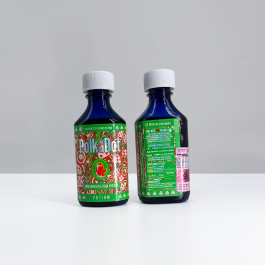
Polka Dot Magic Mushroom Potion 4g
Price range: $250.00 through $950.00