Wellness and Therapeutic Retreats. In today’s fast-paced world, where stress, burnout, and mental health challenges are increasingly common, therapeutic and retreat settings have become essential sanctuaries for personal growth, healing, and self-discovery. Across the United States, these thoughtfully designed spaces invite individuals to discover new paths to wellness, explore transformative practices, and learn strategies that enhance mind, body, and spirit. From luxury wellness resorts to intimate therapeutic retreats, the landscape of healing environments offers diverse opportunities for rejuvenation and personal growth.
Understanding Therapeutic and Retreat Settings
Therapeutic and retreat settings provide structured and immersive experiences that support physical, emotional, and spiritual well-being. While these terms are often used interchangeably, they focus on slightly different aspects:
- Therapeutic settings are centered on targeted interventions for mental, emotional, or physical health, including psychotherapy centers, rehabilitation clinics, and holistic healing facilities.
- Retreat settings create immersive environments that encourage relaxation, reflection, and personal growth, such as wellness resorts, meditation centers, yoga retreats, and nature-based programs.
Many modern programs combine both approaches, allowing participants to discover their inner strengths, explore innovative healing practices, and learn sustainable wellness habits.
Key Benefits of Therapeutic and Retreat Programs – Wellness and Therapeutic Retreats
1. Mental Health and Emotional Well-Being
Therapeutic retreats provide a holistic approach to mental health, offering counseling, mindfulness exercises, group therapy, and stress reduction techniques. Participants can discover coping strategies, explore mindfulness practices, and learn tools to manage anxiety, depression, or trauma effectively.
2. Physical Health and Wellness
Physical wellness is often integrated into retreat programs through yoga, hiking, Pilates, and other fitness activities. Nutritional guidance and thoughtfully prepared meals reinforce the mind-body connection, allowing participants to discover healthier lifestyles and learn habits that support long-term well-being.
3. Personal Growth and Self-Discovery
Retreats offer a safe space to explore personal challenges, heal emotional wounds, and cultivate self-awareness. Participants can discover their passions, explore new perspectives, and learn practical strategies to navigate life transitions more confidently.
4. Stress Reduction and Mindfulness
Mindfulness, meditation, and nature immersion are central to many retreats. Spending time in tranquil surroundings can significantly reduce stress levels, enhance focus, and foster a sense of inner calm. Retreat participants can discover stillness, explore the benefits of presence, and learn practical mindfulness strategies for daily life.
Types of Therapeutic and Retreat Settings in the USA
1. Wellness Resorts
Wellness resorts offer luxury experiences combining spa therapies, fitness routines, and holistic workshops. Guests can discover new wellness practices, explore immersive programs, and learn sustainable approaches to health and well-being.
- Features: Spa treatments, personal training, nutritional counseling, meditation, and mindfulness workshops.
- Ideal For: Individuals seeking comprehensive luxury wellness experiences.
2. Yoga and Meditation Retreats
Yoga and meditation retreats focus on mindfulness, breathwork, and self-reflection. Nestled in serene mountains, coastal areas, or forests, these retreats allow participants to discover inner calm, explore spiritual practices, and learn techniques for lasting emotional balance.
- Popular States: California, Oregon, Vermont, Hawaii, Colorado.
- Activities: Daily yoga sessions, guided meditations, silent reflection periods, and holistic living workshops.
3. Nature-Based and Eco-Retreats
Nature-based retreats emphasize the healing power of the natural world. Participants can discover a deeper connection with nature, explore eco-conscious lifestyles, and learn how to integrate natural therapies into their daily routines.
- Popular Locations: Pacific Northwest, Appalachian Mountains, deserts of Arizona and Utah.
- Focus: Environmental sustainability, outdoor adventures, and nature therapy.
4. Specialized Therapeutic Retreats
Some retreats cater to specific challenges, such as trauma recovery, addiction rehabilitation, grief support, or chronic illness management. These programs combine evidence-based therapies with supportive communities, enabling participants to discover resilience, explore therapeutic modalities, and learn essential coping skills.
- Example Approaches: Cognitive-behavioral therapy (CBT), art therapy, equine-assisted therapy, somatic healing practices.
- Ideal Participants: Individuals seeking targeted therapeutic support and structured guidance.
Choosing the Right Retreat or Therapeutic Setting
Selecting the right retreat depends on your goals, preferences, and personal needs. Consider:
- Your Goals and Intentions: Are you seeking mental clarity, physical wellness, spiritual growth, or emotional healing?
- Duration: Retreats range from weekend getaways to multi-week immersive programs. Longer stays allow for deeper transformation.
- Location and Environment: Mountains, coastlines, and forests can enhance the therapeutic experience.
- Program Structure: Choose between structured schedules or flexible programs based on your comfort level.
- Expertise of Staff: Ensure facilitators and therapists are certified and experienced.
A thoughtful selection ensures participants can discover transformative experiences, explore innovative wellness practices, and learn techniques that can be applied long after the retreat ends.
Emerging Trends in U.S. Therapeutic and Retreat Settings
The wellness and retreat industry is evolving rapidly, responding to modern needs:
- Digital Detox Retreats: Reduce screen time and reconnect with presence and mindfulness.
- Trauma-Informed Wellness Programs: Incorporate trauma awareness into yoga, meditation, and outdoor therapies.
- Integrative Approaches: Blend Eastern practices like Ayurveda with Western therapies such as CBT.
- Inclusive Wellness Spaces: Focus on diversity, equity, and culturally sensitive programming.
These trends highlight the growing emphasis on holistic, inclusive, and transformative wellness experiences across the country.
Notable Retreat Destinations in the USA
- Sedona, Arizona: Red rock landscapes, energy vortex sites, and spiritual retreats.
- Big Sur, California: Coastal retreats offering yoga, meditation, and nature immersion.
- Esalen Institute, Big Sur: Historic center for humanistic psychology, workshops, and alternative healing.
- Omega Institute, Rhinebeck, New York: Programs in wellness, spirituality, and creative arts.
- Maui, Hawaii: Tropical retreats combining yoga, meditation, surf therapy, and holistic wellness.
Each destination invites participants to discover transformative experiences, explore immersive programs, and learn practices to sustain well-being beyond the retreat.
Bringing Retreat Lessons into Daily Life
The ultimate value of a retreat lies in applying its lessons in everyday life:
- Practice Mindfulness Daily: Journaling, meditation, or mindful breathing exercises.
- Stay Active: Incorporate yoga, hiking, or other fitness routines.
- Maintain Healthy Nutrition: Continue balanced eating habits learned during the retreat.
- Prioritize Emotional Self-Care: Use stress management and self-compassion strategies consistently.
Even small adjustments can significantly enhance mental, emotional, and physical well-being. Retreats provide the foundation to discover, explore, and learn lifelong habits for a balanced life.
FAQs: Therapeutic and Retreat Settings in the USA – Wellness and Therapeutic Retreats
Q1: What is the difference between a therapeutic retreat and a wellness retreat?
A: Therapeutic retreats focus on mental, emotional, or physical healing through structured programs and therapies. Wellness retreats prioritize overall well-being, relaxation, and personal growth, often incorporating yoga, fitness, and nutrition.
Q2: How long should I stay at a retreat?
A: Retreats range from weekend programs to multi-week immersions. For meaningful transformation, a 5–7 day retreat is often recommended, though even short retreats can provide valuable insight and relaxation.
Q3: Can retreats help with stress and burnout?
A: Absolutely. Retreats offer mindfulness, meditation, and nature-based activities that significantly reduce stress, improve focus, and restore emotional balance.
Q4: Are retreats expensive?
A: Costs vary depending on location, amenities, and program length. Luxury resorts may be higher in cost, while smaller or nature-based retreats are often more affordable.
Q5: Do I need prior experience in yoga or meditation to attend a retreat?
A: Not at all. Most retreats are designed to accommodate beginners, intermediate, and advanced participants. Instructors provide guidance to ensure everyone can participate safely and effectively.
Q6: How can I continue the benefits of a retreat after returning home?
A: Integrate mindfulness, fitness, and wellness routines into your daily life. Journaling, meditation, and regular physical activity are excellent ways to sustain retreat benefits.
Conclusion – Wellness and Therapeutic Retreats
Therapeutic and retreat settings in the USA provide powerful opportunities to discover, explore, and learn in transformative environments. Whether seeking mental health support, spiritual growth, or physical wellness, these retreats offer spaces for reflection, healing, and personal growth. By engaging in immersive experiences and embracing new practices, participants can cultivate mindfulness, gain clarity, and foster long-term well-being.
For anyone seeking renewal, balance, and self-discovery, the United States offers a wealth of therapeutic and retreat experiences ready to transform life in profound ways.
-

Albino A+ Mushroom Spores
Price range: $200.00 through $650.00 -
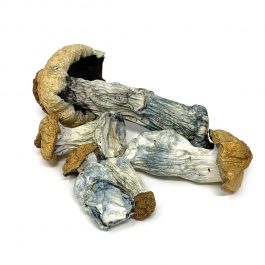
Albino Penis Envy Mushroom
Price range: $210.00 through $1,250.00 -
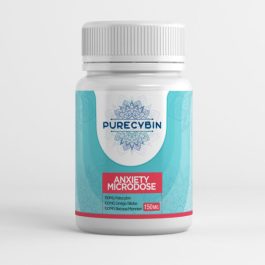
Anxiety Microdose (30)
Price range: $190.00 through $265.00 -
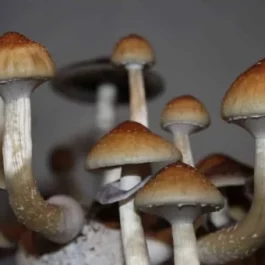
B+ Cubensis Mushroom Spore Syringe
Price range: $200.00 through $650.00 -
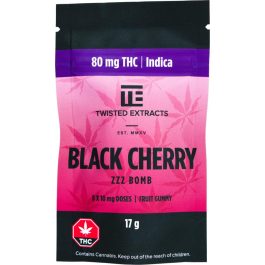
Black Cherry THC Indica Gummies
Price range: $230.00 through $450.00 -
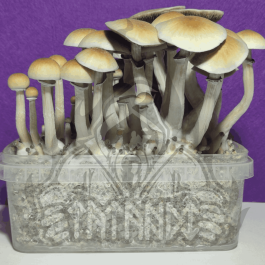
Blue Meanie Magic Mushroom kit – Tatandi
Price range: $185.00 through $550.00 -

Brain Lift Nootropic Microdose (30)
$190.00 -
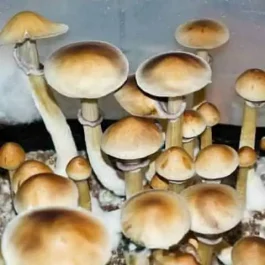
Burma Cubensis Mushroom Spores
Price range: $200.00 through $650.00 -
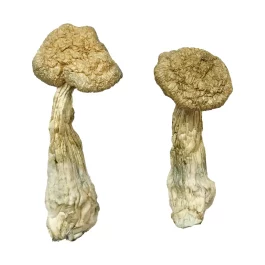
Burma Magic Mushrooms
Price range: $210.00 through $1,250.00