

Accessing Magic Mushrooms. Interest in magic mushrooms has expanded significantly in the United States over the past decade. Once primarily associated with counterculture movements, these fungi are now the focus of serious scientific research and public policy discussions. The primary psychoactive compound found in magic mushrooms is Psilocybin, which has attracted attention for its potential applications in mental health treatment and psychological well-being.
Prestigious research institutions such as Johns Hopkins University have conducted controlled clinical studies examining psilocybin-assisted therapy for conditions including depression, anxiety, and substance use disorders. As research progresses and state-level policies evolve, individuals increasingly seek accurate, professional information about how access works and what responsible engagement entails.
This article provides a comprehensive and educational overview of accessing magic mushrooms in the United States, emphasizing research participation, regulated service models, policy developments, and essential safety considerations.
Understanding Magic Mushrooms and Psilocybin
Magic mushrooms are fungi that naturally contain psilocybin and psilocin. After ingestion, psilocybin is converted into psilocin, which interacts with serotonin receptors in the brain—particularly the 5-HT2A receptor. This interaction may result in altered perception, shifts in emotional processing, and changes in self-awareness.
The onset of effects typically occurs within 30 to 60 minutes and can last between four and six hours, depending on dosage, individual physiology, and environmental factors.
While public narratives often focus on recreational use, contemporary scientific research has reframed psilocybin as a compound of therapeutic interest when administered in structured, supervised settings.
Clinical Research Participation – Accessing Magic Mushrooms
One of the most structured and professionally supervised pathways for accessing psilocybin in the United States is through participation in approved clinical trials.
Academic institutions and medical research centers conduct carefully regulated studies to evaluate psilocybin-assisted therapy for:
- Major depressive disorder
- Treatment-resistant depression
- Anxiety associated with serious illness
- Substance use disorders
Research programs at institutions such as Johns Hopkins University involve rigorous screening processes, preparatory sessions, monitored administration, and post-session integration support. Participants must meet specific eligibility criteria and undergo psychological and medical evaluations.
Clinical trials are designed to ensure participant safety while contributing to scientific understanding. Individuals interested in participation typically apply through official university research portals or clinical trial registries.
State-Regulated Psilocybin Service Models
In recent years, certain U.S. states have developed regulatory frameworks for supervised psilocybin services.
Oregon was the first state to implement a regulated psilocybin services program, establishing licensed service centers and trained facilitators. Under this model, adults may participate in guided sessions after screening and preparation. The program emphasizes structured environments, informed consent, and post-session integration.
Colorado has also enacted legislation supporting regulated access to certain natural psychedelic substances, including psilocybin, with implementation processes underway.
These state-level models differ from traditional medical prescriptions. Instead, they operate under supervised service frameworks with trained facilitators rather than standard clinical prescribing systems.
Municipal Decriminalization Policies – Accessing Magic Mushrooms
Several municipalities in the United States have enacted measures that reduce enforcement priorities for personal possession of plant- and fungi-based psychedelics. Cities such as Denver, Oakland, and Seattle have passed decriminalization initiatives.
It is important to understand that decriminalization does not equate to commercial legalization. These measures generally pertain to law enforcement priorities and do not establish regulated retail markets.
Policies vary significantly by jurisdiction, and individuals must remain informed about local regulations.
Considerations Regarding Retreat and Facilitation Settings
Some individuals explore psychedelic experiences through retreat-style environments. Within the United States, such settings must operate within applicable laws, and regulatory clarity can vary.
When evaluating any facilitation or retreat environment, individuals should carefully assess:
- Facilitator qualifications and training
- Screening and safety protocols
- Emergency procedures
- Integration support structures
- Transparency regarding services offered
Professional standards, ethical conduct, and participant well-being should be primary considerations.
Safety and Psychological Screening
Access to magic mushrooms, whether through research or regulated programs, requires careful attention to safety.
Mental Health History
Psilocybin may not be appropriate for individuals with:
- A personal or family history of psychotic disorders
- Bipolar I disorder
- Severe untreated psychiatric conditions
Comprehensive psychological screening is standard in research settings and strongly advised in any structured environment.
Medication Interactions
Certain medications, including selective serotonin reuptake inhibitors (SSRIs) and monoamine oxidase inhibitors (MAOIs), may influence psilocybin’s effects. Consultation with a qualified healthcare professional is advisable prior to participation in any program.
Set and Setting
Scientific literature consistently highlights the importance of “set” (mindset) and “setting” (environment). Emotional readiness, supportive surroundings, and professional guidance significantly impact the nature and outcome of the experience.
The Importance of Integration – Accessing Magic Mushrooms
Professional psychedelic frameworks emphasize integration as a central component of responsible access.
Integration involves reflecting on insights gained during the experience and applying them constructively to daily life. Structured integration may include:
- Licensed psychotherapy
- Guided reflection sessions
- Journaling and contemplative practices
- Peer support groups
Without intentional integration, even meaningful experiences may not translate into sustained psychological growth.
Ethical and Cultural Awareness
The contemporary psychedelic movement intersects with longstanding Indigenous traditions that have utilized sacred plant medicines for generations. Respect for these traditions and cultural contexts is essential.
Responsible engagement includes:
- Avoiding cultural appropriation
- Supporting ethical research and service providers
- Recognizing the historical context of psychedelic prohibition
- Promoting informed and evidence-based dialogue
Professional discourse surrounding psilocybin increasingly incorporates ethical standards and cultural sensitivity.
Ongoing Research and Future Developments
Psilocybin has received “Breakthrough Therapy” designation from the U.S. Food and Drug Administration (FDA) for certain depressive disorders, expediting research pathways. While broad federal approval for prescription use has not yet occurred, ongoing Phase 2 and Phase 3 trials may shape future therapeutic models.
Should FDA approval occur, psilocybin-assisted therapy would likely be administered in licensed clinical settings under strict medical supervision.
Institutions such as Johns Hopkins University continue to publish peer-reviewed research that informs safety protocols, dosage frameworks, and therapeutic methodologies.
Clarifying Personal Motivation
Before pursuing any access pathway, individuals should reflect carefully on their intentions.
Common motivations include: Discover and learn more about Microdosing vs. Macrodosing: What’s the Difference and Which Is Right for You
- Seeking relief from mental health challenges
- Exploring personal development
- Addressing existential or spiritual questions
- Curiosity about altered states of consciousness
Clear intention-setting, realistic expectations, and emotional preparedness are foundational elements of responsible engagement.
Education as a Foundational Principle
Comprehensive education is essential prior to considering any involvement with psilocybin-containing mushrooms. This includes understanding:
- Typical duration and intensity of effects
- Variability in individual responses
- Psychological risks
- Evolving state-level regulatory frameworks
Peer-reviewed research and academic sources provide more reliable guidance than anecdotal accounts.
Conclusion: Informed and Responsible Engagement – Accessing Magic Mushrooms
Accessing magic mushrooms in the United States is a topic shaped by scientific advancement, state-level policy reform, and evolving cultural perspectives. While access pathways are expanding in structured and regulated contexts, responsible engagement remains paramount.
Individuals considering exploration should prioritize:
- Accurate information
- Professional screening
- Structured environments
- Integration support
- Ongoing education
Psilocybin is a biologically active compound with meaningful psychological effects. As research continues to advance, informed decision-making, professional oversight, and ethical responsibility will remain central to its future in therapeutic and personal development contexts.
Approached with care, education, and respect, discussions about access can remain grounded in safety, scientific integrity, and long-term well-being.
-
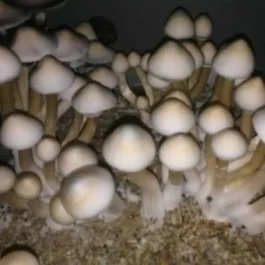
Albino A+ Mushroom Spores
Price range: $200.00 through $650.00 -
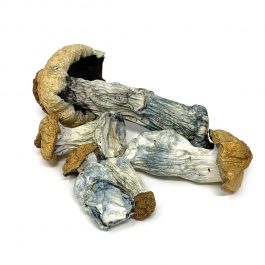
Albino Penis Envy Mushroom
Price range: $210.00 through $1,250.00 -
Anxiety Microdose (30)
Price range: $190.00 through $265.00 -
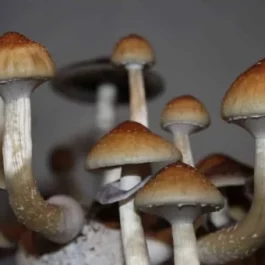
B+ Cubensis Mushroom Spore Syringe
Price range: $200.00 through $650.00 -
Black Cherry THC Indica Gummies
Price range: $230.00 through $450.00 -
Blue Meanie Magic Mushroom kit – Tatandi
Price range: $185.00 through $550.00 -
Brain Lift Nootropic Microdose (30)
$190.00 -
Burma Cubensis Mushroom Spores
Price range: $200.00 through $650.00 -
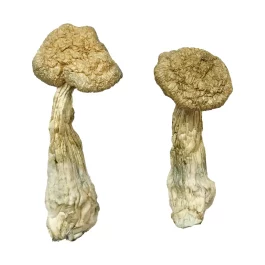
Burma Magic Mushrooms
Price range: $210.00 through $1,250.00
