
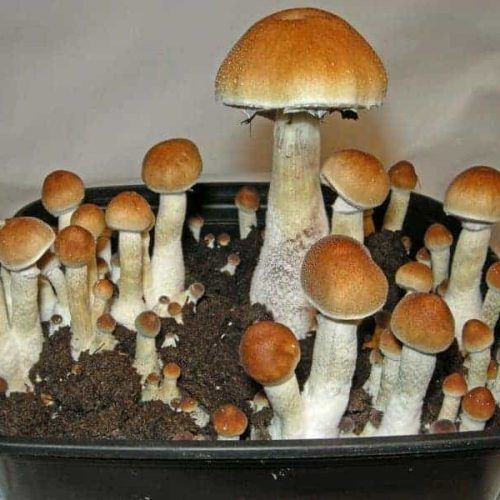
Discover Mushroom Spores. Mushroom spores are microscopic reproductive units produced by fungi, functioning in a role similar to seeds in plants. Though invisible to the naked eye, spores are fundamental to forest ecosystems, commercial agriculture, biotechnology, and citizen science across the United States. As researchers and hobbyists continue to discover, learn, and explore the hidden world of fungi, spores remain at the center of scientific curiosity and agricultural innovation.
From wild morels in the Midwest to cultivated oyster mushrooms grown in urban farms, spores are the starting point of every mushroom’s life cycle. This article will help you explore how mushroom spores function, why they matter in U.S. ecosystems, how they are cultivated, and what legal and safety considerations apply—followed by a detailed FAQ section.
How Do Mushroom Spores Work?
When a spore lands in a suitable environment with enough moisture, nutrients, and the right temperature, it germinates. It grows into tiny thread-like structures called hyphae. These hyphae connect and form a network known as mycelium, which is the main body of the fungus.
The visible mushroom we see above ground is actually the fruiting body of this mycelium. Its purpose is to produce and release more spores, continuing the life cycle.
Key Characteristics of Mushroom Spores:
- Microscopic and usually single-celled
- Produced in massive quantities
- Dispersed naturally by air and water
- Essential for fungal reproduction
- Used in research, microscopy, and cultivation
In simple terms, mushroom spores are the starting point of every mushroom’s life cycle. Without spores, fungi could not reproduce, spread, or support ecosystems.
The Biology of Mushroom Spores – Discover Mushroom Spores
To truly understand mushrooms, we must first explore their spores. Mushrooms belong to the kingdom Fungi, and many familiar cap-and-stem species fall under the phylum Basidiomycota. The common grocery store mushroom, Agaricus bisporus, produces spores on specialized cells located on the gills beneath its cap. Other fungi, such as morels from the genus Morchella, belong to the phylum Ascomycota and produce spores inside sac-like structures called asci.
Spores are incredibly small—usually 5 to 20 micrometers in length—and are produced in vast numbers. A single mushroom can release billions of spores into the air. These spores travel by wind, water, insects, or animals. When environmental conditions are suitable—adequate moisture, nutrients, and proper temperature—the spore germinates and forms thread-like structures called hyphae. These hyphae branch into a network known as mycelium, the true body of the fungus.
Many people are surprised to learn that the visible mushroom is only the fruiting body. The majority of the organism lives underground or within wood, quietly expanding its mycelial network until conditions are right to produce new mushrooms and release more spores.
Ecological Importance Across the United States
If you explore forests in the Pacific Northwest, Appalachia, or the Midwest, you are witnessing ecosystems shaped by fungal spores. Fungi are primary decomposers, breaking down dead wood, leaves, and organic debris. This process recycles nutrients back into the soil, sustaining plant and animal life.
Species such as the golden chanterelle, Cantharellus cibarius, form mycorrhizal partnerships with trees. In these relationships, fungal mycelium connects to plant roots, improving nutrient and water absorption. In return, trees provide sugars produced through photosynthesis. Without spores to reproduce and spread these fungi, such beneficial relationships would not exist.
Spores also help ecosystems recover after disturbances like wildfires. Because spores can travel long distances, they enable fungi to colonize new habitats and stabilize soil during ecological succession. Scientists continue to discover how essential fungal biodiversity is for climate resilience and soil health.
Commercial Cultivation in the U.S. – Discover Mushroom Spores
The United States has a thriving mushroom industry, particularly in Pennsylvania and California. The most widely cultivated species is Agaricus bisporus, sold as white button, cremini, or portobello depending on maturity.
Commercial growers typically use “spawn,” a material colonized with mycelium. While spores can initiate growth, tissue culture methods are often preferred to maintain consistent genetics. However, researchers still rely on spores to develop new strains and explore genetic diversity.
Specialty mushrooms such as shiitake (Lentinula edodes) and oyster mushrooms (Pleurotus ostreatus) are increasingly popular in farmers’ markets and home-growing kits. Enthusiasts learn to create spore prints for identification and study. This hands-on approach helps new growers discover the fascinating reproductive process of fungi.
Legal Considerations in the United States
When exploring mushroom spores, it is important to understand U.S. law. Spores from edible and medicinal mushrooms are legal nationwide. However, spores from psilocybin-producing species such as Psilocybe cubensis fall into a complex legal category.
Psilocybin itself is classified as a Schedule I substance under federal law. Interestingly, spores do not contain psilocybin. In many states, spores are legal to possess for research or microscopy purposes. However, cultivating mushrooms that produce psilocybin remains illegal under federal law, even if some states or cities have adopted reform measures.
Because regulations vary and continue to evolve, individuals should research current state and local laws before purchasing or studying spores.
Scientific Research and Innovation
American researchers continue to explore the vast potential of fungi. The discovery of penicillin from Penicillium chrysogenum transformed medicine, demonstrating how fungal spores can lead to groundbreaking therapies.
Today, institutions such as Johns Hopkins University conduct clinical studies on psilocybin-assisted therapy under regulated conditions. While synthesized compounds are typically used in trials, scientists study fungal genetics to better understand these species.
Beyond medicine, fungi are being used in sustainable technology. Mycoremediation uses fungal growth to break down pollutants, and mycelium-based materials are emerging as biodegradable alternatives to plastic and foam packaging. These innovations begin with understanding how spores germinate and grow.
Health and Safety
Most mushroom spores are harmless, but heavy exposure in commercial growing facilities can cause respiratory irritation. Proper ventilation and protective equipment help minimize risk.
Foragers should exercise caution when identifying wild mushrooms. Toxic species such as Amanita phalloides can be deadly if consumed. Spore print color, gill structure, and habitat are important identification tools. Beginners should always learn from experienced foragers before consuming wild mushrooms.
Frequently Asked Questions: Discover Mushroom Spores
1. What are mushroom spores?
Mushroom spores are microscopic reproductive cells that allow fungi to reproduce. They function similarly to seeds in plants and are responsible for spreading fungal species.
2. Are mushroom spores legal in the United States?
Spores from edible and medicinal mushrooms are legal nationwide. Spores from certain psychedelic species may be legal to possess in some states for research purposes, but cultivating those species is illegal under federal law.
3. How do spores grow into mushrooms?
When a spore lands in a suitable environment, it germinates and forms hyphae. These hyphae combine to create mycelium, which eventually produces mushrooms under the right conditions.
4. Can I discover mushrooms by studying spores?
Yes. Studying spores under a microscope helps identify species, understand fungal diversity, and learn about their reproductive biology.
5. What is a spore print?
A spore print is created by placing a mushroom cap on paper to collect falling spores. The color and pattern help with identification.
6. Are mushroom spores dangerous?
Most are harmless, but inhaling large amounts may irritate the lungs. Always handle spores in well-ventilated areas.
7. Why are spores important for the environment?
Spores allow fungi to spread and decompose organic matter, recycle nutrients, and form beneficial relationships with plants.
8. How can I learn more about mushroom spores?
You can explore local mycology clubs, university extension programs, field guides, and community workshops. Many states have mushroom festivals where you can discover regional species firsthand.
9. Do spores contain psilocybin?
Spores do not contain psilocybin. However, cultivating certain species that produce psilocybin is illegal under federal law.
10. Why are spores important in science?
Scientists explore spores to study genetics, develop new fungal strains, and innovate in medicine, sustainability, and agriculture.
Conclusion – Discover Mushroom Spores
Mushroom spores may be microscopic, but their impact across the United States is enormous. They sustain ecosystems, support commercial agriculture, drive scientific breakthroughs, and inspire growing public interest. As Americans continue to discover, learn, and explore the world of fungi, spores remain at the heart of every mushroom’s life cycle.
Whether you are a researcher, cultivator, student, or curious nature enthusiast, understanding mushroom spores opens the door to a fascinating and rapidly expanding field of knowledge.
