Microdosing vs macrodosing differences. In recent years, psychedelics have re-emerged in scientific, therapeutic, and wellness conversations around the world. Once relegated to countercultural spaces, these substances are now being carefully studied by leading research institutions such as Johns Hopkins University and Imperial College London. As public interest grows, so does curiosity about two distinct approaches: microdosing and macrodosing.
If you’re seeking to discover how these approaches differ, explore their potential benefits, and learn which may align with your goals, this comprehensive guide will provide clarity and context.
Understanding Microdosing
Microdosing involves taking a very small, sub-perceptual amount of a psychedelic substance—typically 5–10% of a standard recreational dose. Common substances include Psilocybin and LSD.
The defining feature of microdosing is subtlety. The intention is not to induce hallucinations or a full psychedelic experience, but rather to explore gentle cognitive and emotional enhancements while maintaining normal daily functioning.
For example: you are invited to discover and learn more
- A full dose of psilocybin mushrooms may range from 2–3 grams, while a microdose typically falls between 0.1–0.3 grams.
- A standard LSD dose may range from 100–200 micrograms, with a microdose closer to 5–20 micrograms.
The Purpose of Microdosing
Many individuals turn to microdosing to discover incremental improvements in:
- Focus and productivity
- Creativity and problem-solving
- Emotional resilience
- Mood stability
- Energy levels
- Social engagement
One widely referenced schedule is the protocol popularized by psychologist James Fadiman, which involves dosing every third day to minimize tolerance buildup and observe measurable patterns.
What to Expect – Microdosing vs macrodosing differences
When properly calibrated, a microdose should not produce overt perceptual changes. Instead, individuals often report:
- Increased mental clarity
- Enhanced flow states
- Subtle mood elevation
- Greater patience and reduced reactivity
If noticeable sensory distortions or impairment occur, the dosage is likely too high.
Exploring Macrodosing
In contrast, macrodosing refers to consuming a full psychedelic dose sufficient to produce significant alterations in perception, cognition, and sense of self. Substances commonly associated with macrodosing include psilocybin, LSD, and DMT.
Macrodosing is immersive and experiential. It invites individuals to explore deep psychological and emotional landscapes, often leading to profound personal insights.
Clinical and Therapeutic Context
Clinical research led by scientists such as Roland Griffiths at Johns Hopkins University has demonstrated promising outcomes using high-dose psilocybin in controlled therapeutic environments. Studies have explored its potential to address depression, addiction, PTSD, and end-of-life anxiety.
In these settings, macrodosing is carefully structured, supported by trained facilitators, and followed by integration sessions to help participants process and apply their experiences.
What a Macrodose Experience May Involve
A full psychedelic dose may include:
- Visual and sensory distortions
- Altered perception of time
- Deep emotional release
- Mystical or spiritual-type experiences
- Temporary dissolution of ego boundaries
These experiences can last between 4–8 hours (or longer, depending on the substance), and they often require thoughtful preparation and recovery time.
Key Differences Between Microdosing and Macrodosing
To better understand these approaches, consider the following distinctions:
1. Intensity
- Microdosing: Subtle and non-disruptive
- Macrodosing: Deeply immersive and transformative
2. Frequency
- Microdosing: Typically repeated on a structured schedule
- Macrodosing: Infrequent, often spaced months or years apart
3. Primary Objective
- Microdosing: Incremental enhancement and optimization
- Macrodosing: Breakthrough insight and emotional healing
4. Time Commitment
- Microdosing: Compatible with normal routines
- Macrodosing: Requires dedicated time and integration
5. Psychological Impact
- Microdosing: Gradual and cumulative
- Macrodosing: Immediate and potentially profound
Potential Benefits of Microdosing
As you explore this approach, it’s important to note that scientific research remains ongoing. However, anecdotal reports and early studies suggest potential benefits such as:
- Enhanced creative thinking
- Improved concentration
- Increased emotional awareness
- Reduced symptoms of mild anxiety or depression
Some individuals discover that microdosing supports a greater sense of engagement in daily life. However, placebo-controlled studies indicate that expectations may also influence perceived benefits.
Potential Benefits of Macrodosing
Macrodosing offers a different scope of possibility. Participants in clinical trials have reported:
- Significant reductions in depressive symptoms
- Increased openness and life satisfaction
- Decreased fear of death
- Renewed sense of meaning and purpose
One notable finding in psychedelic research is the strong correlation between mystical-type experiences and sustained positive psychological outcomes. This suggests that deeply immersive sessions may catalyze meaningful change when conducted responsibly.
Risks and Considerations
Before choosing to explore either approach, it is essential to understand the associated risks.
Microdosing Risks
- Heightened anxiety in sensitive individuals
- Sleep disturbances
- Unknown long-term effects
- Legal implications in many jurisdictions
Although generally less intense, microdosing is not without potential drawbacks.
Macrodosing Risks
- Acute panic or psychological distress
- Re-emergence of unresolved trauma
- Temporary confusion or disorientation
- Increased vulnerability in uncontrolled environments
Individuals with a personal or family history of psychotic disorders should avoid psychedelic substances. Consultation with a qualified healthcare professional is strongly advised.
Legal Landscape – Microdosing vs macrodosing differences
The legal status of psychedelics varies widely. While some regions have moved toward decriminalization or regulated therapeutic frameworks, many countries still classify these substances as controlled.
For example, Oregon has established a regulated psilocybin services program, and several municipalities have decriminalized certain plant-based psychedelics. Nonetheless, it is crucial to research local regulations before considering any use. Here is where To Buy Mushrooms For Microdosing Near Me.
The Importance of Integration
Whether you choose to explore microdosing or macrodosing, integration is essential. Integration refers to the process of reflecting on experiences and applying insights to everyday life.
Effective integration practices may include:
- Journaling
- Meditation
- Professional therapy
- Peer discussion groups
- Coaching
Without integration, even powerful experiences may fail to produce lasting change.
Which Approach Is Right for You?
The decision to explore microdosing or macrodosing depends on your intentions, mental health history, and risk tolerance.
You may consider microdosing if you wish to:
- Discover subtle performance enhancement
- Explore creativity in a structured way
- Maintain daily responsibilities without disruption
You may consider macrodosing if you seek to:
- Address unresolved emotional challenges
- Experience deep introspection
- Explore spiritual or existential questions
- Engage in guided therapeutic work
There is no universal solution. Each approach offers distinct opportunities to learn about your mind, emotions, and patterns.
Final Reflections – Microdosing vs macrodosing differences
As research expands at respected institutions such as Imperial College London and Johns Hopkins University, society continues to discover new insights into the therapeutic and psychological potential of psychedelics.
Microdosing and macrodosing are not opposing practices—they represent different depths of exploration. Microdosing offers gradual refinement; macrodosing offers immersive transformation.
If you choose to explore either path, prioritize education, preparation, and support. Approach the subject with curiosity, responsibility, and respect.
Ultimately, the most meaningful discoveries arise not simply from the dose itself, but from the intention, awareness, and integration that follow.
Shop new arrivals
-

Albino A+ Mushroom Spores
Price range: $200.00 through $650.00 -
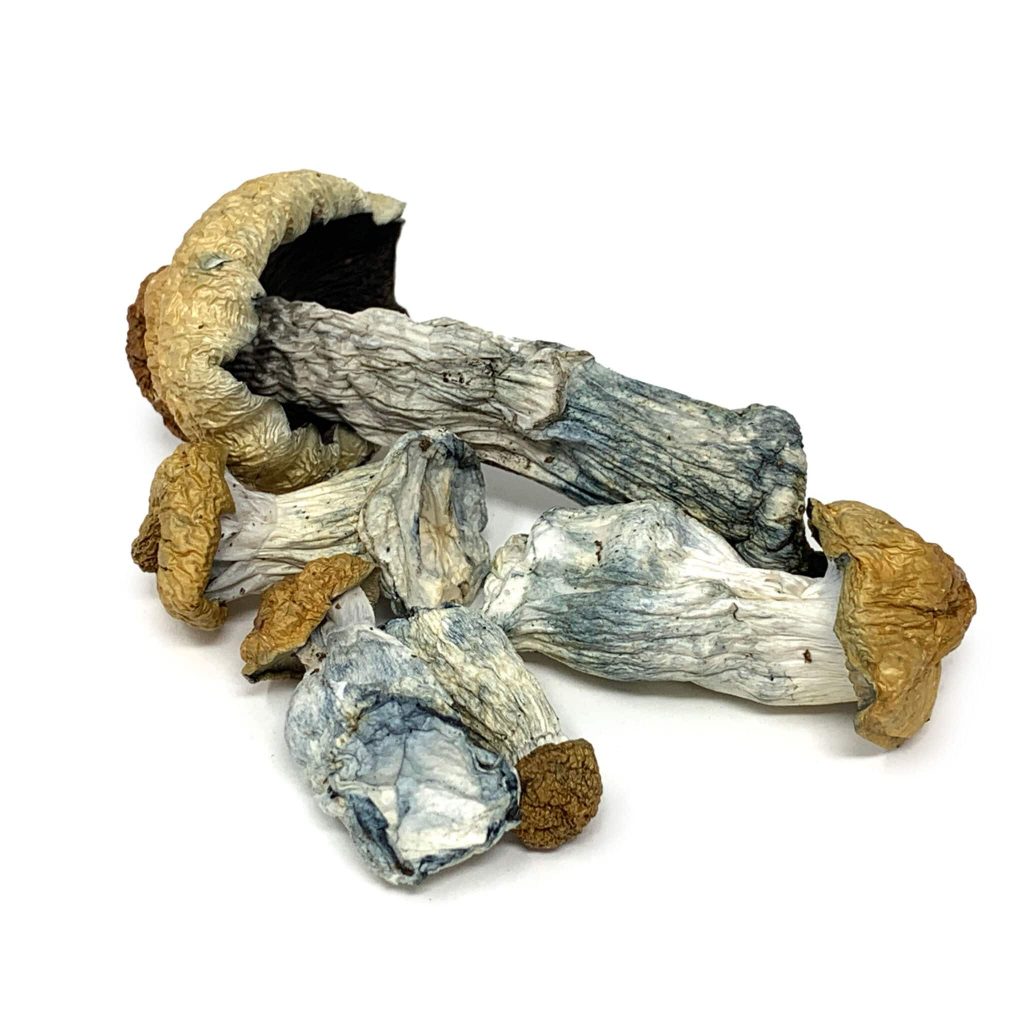
Albino Penis Envy Mushroom
Price range: $210.00 through $1,250.00 -
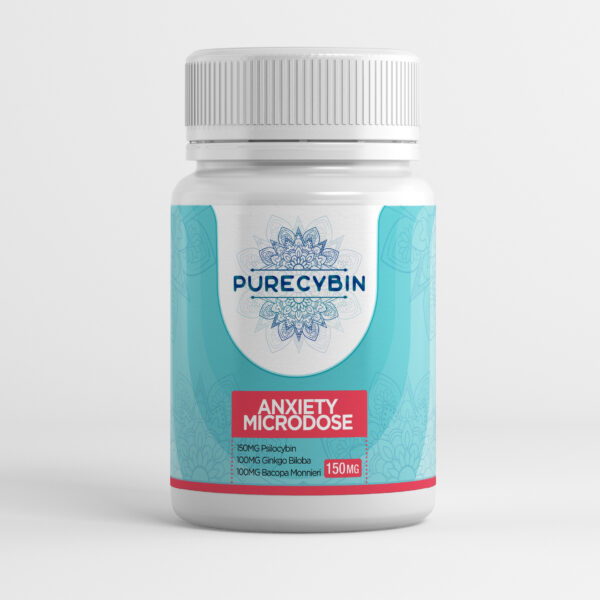
Anxiety Microdose (30)
Price range: $190.00 through $265.00 -
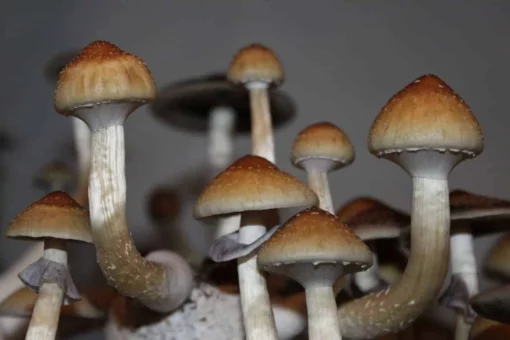
B+ Cubensis Mushroom Spore Syringe
Price range: $200.00 through $650.00 -
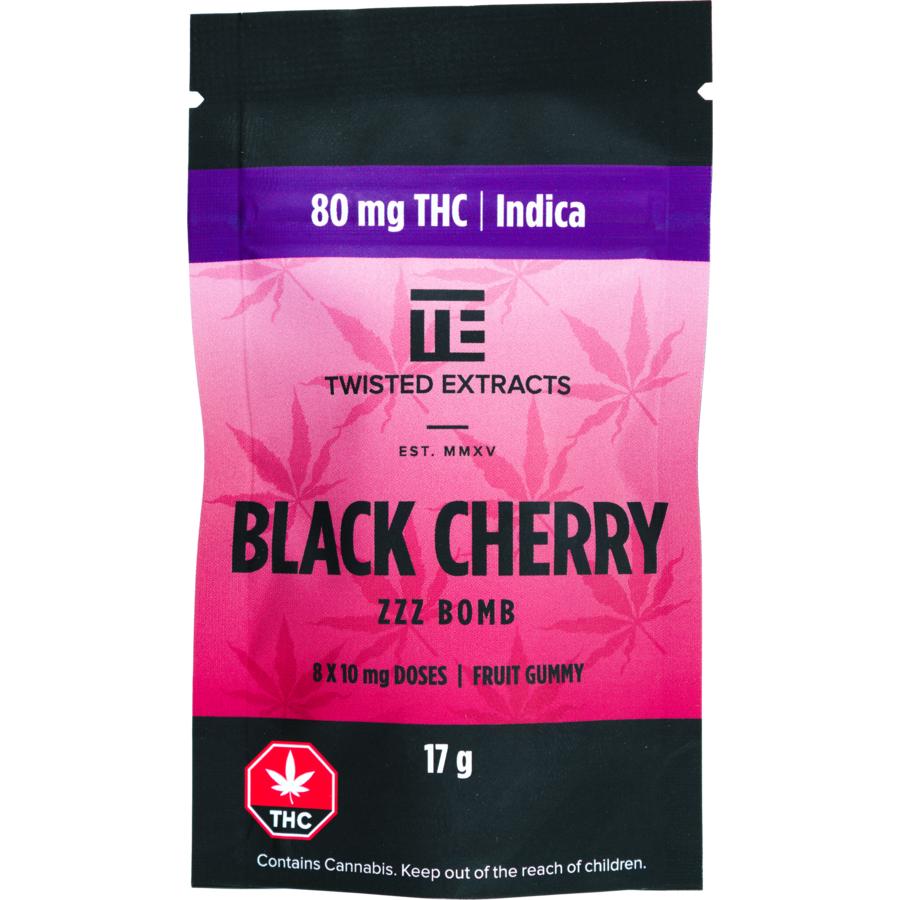
Black Cherry THC Indica Gummies
Price range: $230.00 through $450.00