
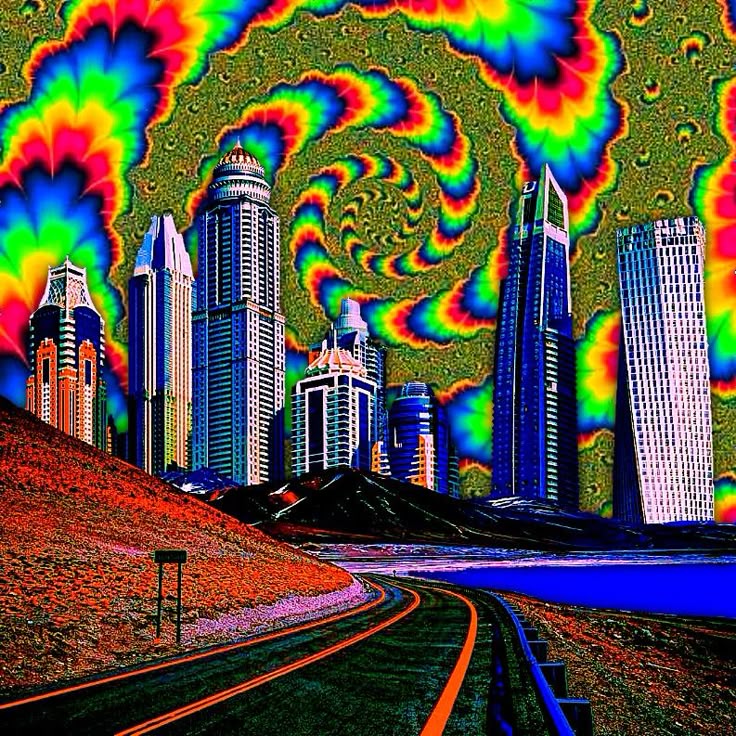
psychedelic landscape USA. The psychedelic landscape in the United States is evolving rapidly. What was once seen purely as a group of illegal substances is now being re-examined through the lens of science, medicine, and public health. In 2026, psychedelics such as psilocybin and MDMA are no longer just part of underground culture—they are becoming central to conversations about mental health treatment and regulatory reform.
This article explains the current state of psychedelics in the U.S., key policy changes, decriminalization efforts, and what the future may hold.
The Current Legal Situation in the United States
At the federal level, most psychedelics—including psilocybin and MDMA—are still classified as Schedule I substances under the Controlled Substances Act. This means they are considered to have no accepted medical use and a high potential for misuse.
However, the situation is much more complex at the state and local levels. Across the country, governments are experimenting with new policies that allow for:
- Supervised psychedelic therapy
- Decriminalization of possession in certain cities
- Regulated medical or research use
This has created a layered legal system, where the rules depend heavily on where you are.
Major Policy Changes Shaping 2026 – psychedelic landscape USA
1. State-Led Psychedelic Therapy Programs
One of the most important developments is the rise of state-regulated psychedelic therapy programs. States like Oregon and Colorado have already taken steps to allow supervised use of psilocybin in controlled environments.
These programs typically involve:
- Licensed facilitators or therapists
- Structured preparation and integration sessions
- Controlled dosing under supervision
Other states are exploring similar frameworks, signaling that this model may expand in the future.
2. Growing Medical Recognition
Psychedelics are increasingly being studied for their therapeutic potential. Research institutions such as the
Johns Hopkins Center for Psychedelic and Consciousness Research
have contributed to studies showing that psilocybin may help with:
- Depression
- Anxiety
- PTSD
At the regulatory level, agencies are reviewing this evidence to determine whether psychedelics should be approved as medical treatments.
3. Breakthrough Therapy Research
Clinical trials have shown promising results, especially for MDMA-assisted therapy in treating PTSD. These studies suggest psychedelics may:
- Help patients process trauma
- Improve emotional regulation
- Enhance therapeutic outcomes
The ongoing research is one of the strongest drivers behind policy reform and public interest.
Decriminalization Trends Across the U.S. – psychedelic landscape USA
What Decriminalization Means
Decriminalization does not make psychedelics legal. Instead, it typically means:
- Reduced or eliminated criminal penalties for possession
- Law enforcement deprioritizes enforcement
- In some cases, civil fines replace criminal charges
Cities and Local Reforms
Several cities have led the way in reforming psychedelic laws. Early adopters include:
- Denver, Colorado
- Oakland, California
- Santa Cruz, California
These local policies helped spark a broader national conversation about drug policy reform.
Increasing Public Support
Public opinion has shifted significantly in recent years. Many Americans now support:
- Legal access for medical use
- Decriminalization for personal use
- Expanded research into psychedelic therapies
This shift is similar to the early stages of cannabis legalization, where public support eventually influenced legislation.
The Role of Psychedelic Therapy
One of the most important developments is the rise of psychedelic-assisted therapy.
These programs typically include:
- Professional guidance before, during, and after sessions
- Carefully measured dosing
- A controlled and safe environment
States like Oregon and Colorado are leading examples of how psychedelics may be integrated into healthcare systems in the future.
Challenges in the Psychedelic Landscape
Despite progress, several challenges remain:
Federal vs State Conflict
Psychedelics remain illegal federally, even in states that allow therapeutic use.
Access and Cost
Current programs are expensive and not widely accessible to the general public.
Training and Infrastructure
There is a need for more trained professionals and treatment centers.
Regulatory Uncertainty
Laws and guidelines are still evolving, creating uncertainty for providers and patients.
Future Trends in the Psychedelic Space
1. Expansion of Legal Access
More states are expected to introduce regulated psychedelic programs.
2. Medical and Pharmaceutical Development
If approved by regulators, psychedelics could become prescription treatments.
3. Growth of Clinical Services
Psychedelic therapy centers may become more common in healthcare systems.
4. Continued Research
Scientific studies will play a key role in shaping future policies.
5. Increased Public Awareness
Education and open discussion will continue to reduce stigma.
Conclusion – psychedelic landscape USA
The psychedelic landscape in the United States is changing quickly in 2026. While federal law still restricts most substances, state-level reforms, scientific research, and growing public support are driving a shift toward regulated and medical use.
What was once considered taboo is now being explored as a potential tool for mental health treatment and personal growth. The coming years will determine how far this transformation goes—but the direction is already clear.
Frequently Asked Questions – psychedelic landscape USA
1. Are psychedelics legal in the United States?
At the federal level, most psychedelics are illegal. However, some states and cities have decriminalized or allowed regulated therapeutic use.
2. What is psychedelic-assisted therapy?
It is a treatment approach where psychedelics are used in controlled, supervised settings with trained professionals to support mental health therapy.
3. What is psilocybin used for in research?
Psilocybin is being studied for conditions like depression, anxiety, PTSD, and addiction.
4. Is MDMA legal for medical use?
MDMA is still a controlled substance, but it is being researched and may become approved for medical use if it passes regulatory requirements.
5. What is decriminalization?
Decriminalization reduces or removes criminal penalties for possession but does not make the substance fully legal.
6. Are psychedelics safe?
Safety depends on dosage, setting, mental health, and supervision. Research suggests potential benefits in controlled environments, but risks still exist.
7. Where can psychedelics be legally used in the U.S.?
Some states allow supervised use in therapeutic programs, while certain cities have decriminalized possession. Laws vary widely by location.
8. Will psychedelics become legal in the future?
Many experts believe psychedelics may become legal for medical use and possibly more broadly regulated, depending on future research and legislation.
Featured products
-

Buy Four sigmatic mushroom coffee
Price range: $175.00 through $400.00 -
Liberty Cap Mushrooms
Price range: $210.00 through $1,250.00 -
PolkaDot Psilocybin Chocolate Bars
Price range: $230.00 through $445.00 -
Psilocybe Mexicana Mushroom
Price range: $210.00 through $1,250.00 -

Psilocybe Quebecensis Mushrooms
Price range: $210.00 through $1,250.00
