
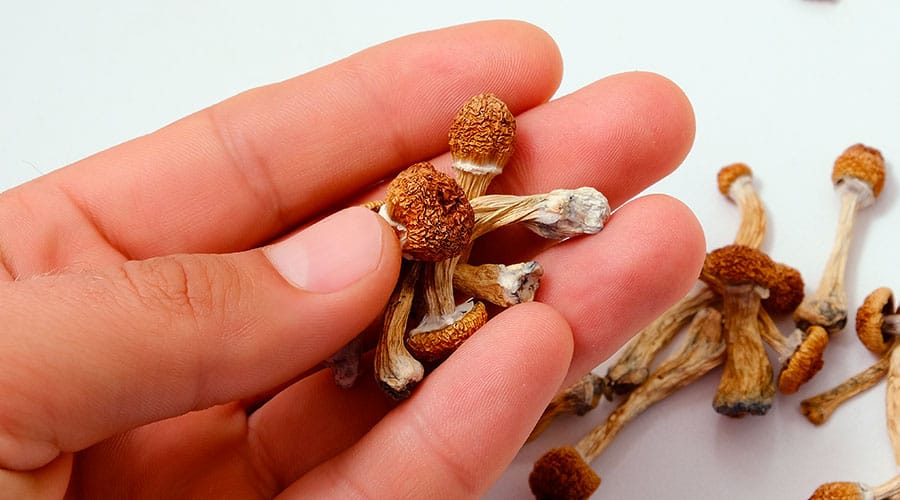
Magic Mushrooms for sale in USA. Magic mushrooms, also known as psilocybin mushrooms, are fungi that contain the psychoactive compounds psilocybin and psilocin. In the United States, they remain federally illegal. However, public attitudes, scientific research, and certain state laws have evolved considerably over the past two decades. As a result, discussions surrounding these substances have become more nuanced and research-driven.
This guide explains what magic mushrooms are, how U.S. law regulates them, what scientists are currently studying, and how public policy continues to shift. In addition, it addresses common questions to provide a clearer understanding of the topic.
What Are Magic Mushrooms? – Magic Mushrooms for sale in USA
Psilocybin mushrooms are naturally occurring fungi that produce psychoactive compounds. Once ingested, the body converts psilocybin into psilocin. This compound interacts primarily with serotonin receptors in the brain. Consequently, perception, mood, and thought patterns may temporarily change.
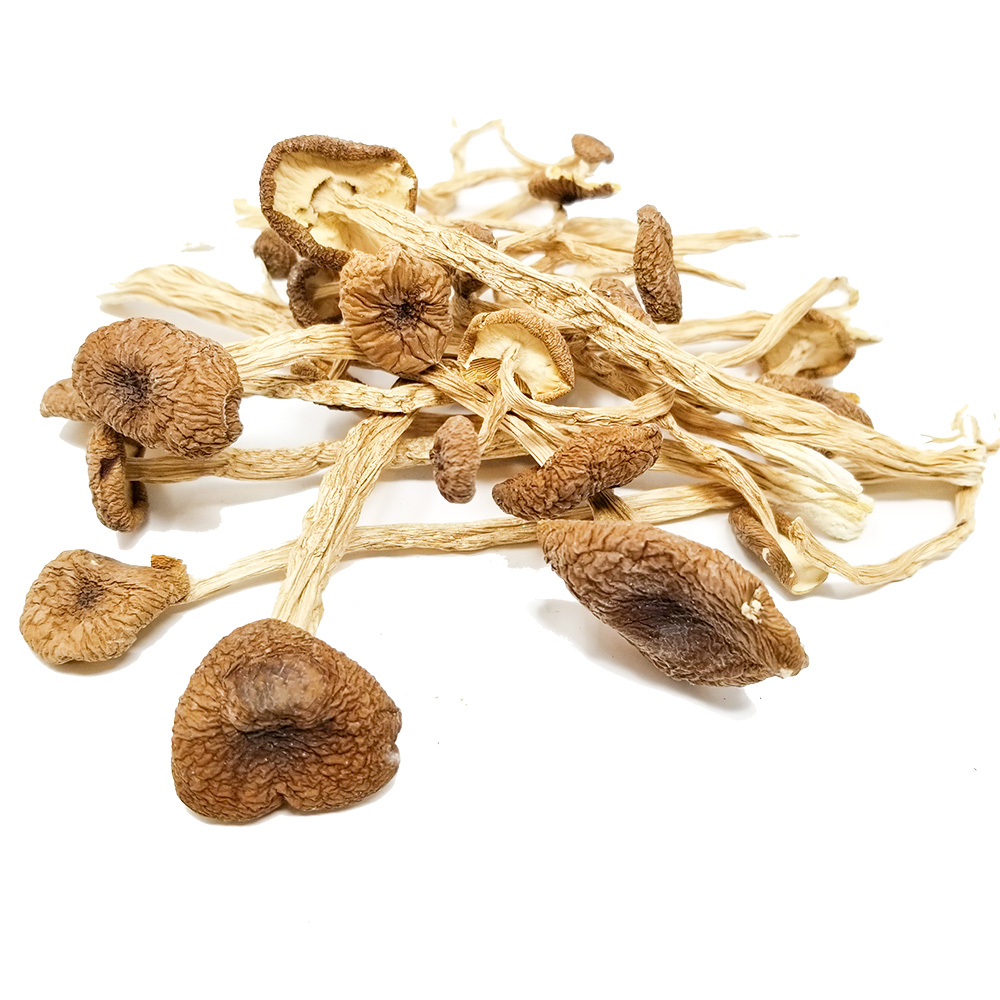
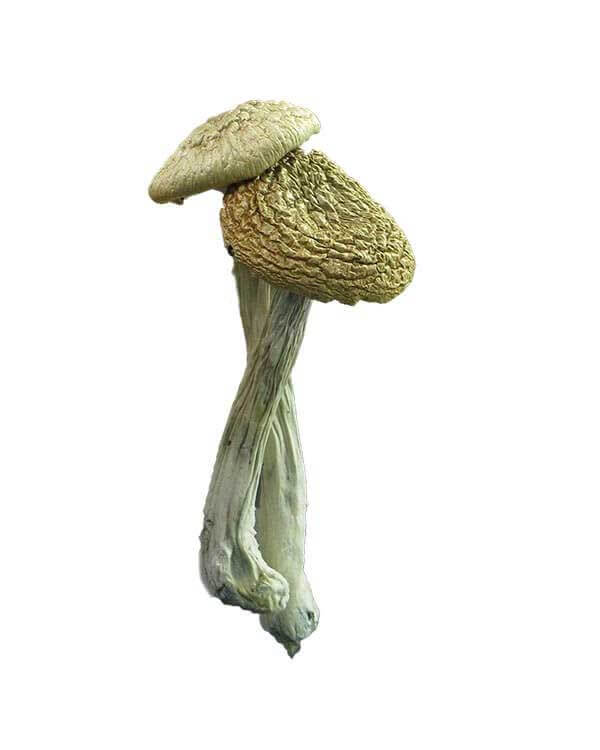
Among the best-known species is Psilocybe cubensis. Although many other species contain psilocybin, potency varies depending on genetics and growing conditions. Therefore, effects can differ significantly from one species to another.
Federal Law in the United States
At the federal level, psilocybin is regulated under the Controlled Substances Act. Under this law, it is classified as a Schedule I substance. This classification indicates a high potential for abuse, no currently accepted medical use, and a lack of accepted safety under medical supervision.
As a result, possession, distribution, and manufacture remain illegal outside of approved research settings. Nevertheless, federal classification does not prevent states from experimenting with alternative policy approaches.
State and Local Policy Changes
In recent years, several states and cities have adopted reform measures. For example, Oregon created a regulated psilocybin services program that allows supervised adult use in licensed facilities. Similarly, Colorado passed legislation permitting regulated access to certain natural psychedelics.
Meanwhile, cities such as Denver, Oakland, and Seattle have implemented decriminalization policies. In these areas, law enforcement treats personal possession as a lower priority.
However, decriminalization does not equal legalization. Instead, it typically reduces penalties or enforcement focus. Therefore, individuals must carefully review local laws before assuming permissibility.
Scientific Research and Renewed Interest
After decades of limited investigation, psychedelic research has resumed at major institutions. Notably, Johns Hopkins University established a dedicated center for psychedelic research. Because of renewed scientific interest, multiple clinical trials are currently underway.
Researchers are examining psilocybin-assisted therapy for:
- Major depressive disorder
- Treatment-resistant depression
- Anxiety related to serious illness
- Post-traumatic stress disorder (PTSD)
- Substance use disorders
Preliminary findings have shown potential benefits in structured settings. However, these studies occur under strict medical supervision. Consequently, psilocybin has not yet received broad FDA approval for general therapeutic use.
How Psilocybin Affects the Brain – Magic Mushrooms for sale in USA
From a neurological perspective, psilocybin primarily affects serotonin receptors. More specifically, it targets the 5-HT2A receptor subtype. Brain imaging studies suggest that psilocybin can temporarily alter communication between neural networks.
For instance, researchers have observed changes in the default mode network (DMN), which is associated with self-referential thinking. As a result, some participants report altered perceptions of identity and introspection. Nevertheless, scientists continue to investigate long-term effects and safety.
Reported Effects
Experiences with psilocybin vary widely. Several factors influence outcomes, including dose, mental state, physical environment, and individual biology.
Psychological Effects
Users may experience altered time perception, visual distortions, emotional shifts, or increased introspection. In some cases, individuals report meaningful personal insights. On the other hand, anxiety or confusion may also occur, particularly in unfamiliar settings.
Physical Effects
Physical responses may include dilated pupils, mild nausea, increased heart rate, and temporary coordination changes. Although these effects are typically short-lived, they can be uncomfortable for some individuals.
Because experiences depend heavily on context, researchers emphasize the importance of “set and setting” in controlled studies.
Risks and Considerations – Magic Mushrooms for sale in USA
Although psilocybin does not typically produce physical dependence, psychological risks remain possible. For example, some individuals may experience panic reactions or paranoia. Additionally, those with a history of psychotic disorders may face elevated risk.
Legal risks also exist. Since federal law prohibits unauthorized possession, criminal penalties may apply in many jurisdictions. Therefore, understanding both health and legal implications is essential.
Frequently Asked Questions (FAQs) – Magic Mushrooms for sale in USA
1. Are magic mushrooms legal in the United States?
Federally, psilocybin remains illegal under Schedule I classification. However, certain states and municipalities have decriminalized possession or established regulated programs. Because laws vary, individuals should review regulations specific to their location.
2. What does “decriminalized” mean?
Generally, decriminalization reduces criminal penalties or shifts law enforcement priorities. It does not authorize commercial sales or override federal law.
3. Is psilocybin approved by the FDA?
Currently, psilocybin is not broadly approved for medical use. However, it has received “Breakthrough Therapy” designation for certain research applications. This designation accelerates clinical trial evaluation but does not equal full approval.
4. Are magic mushrooms addictive?
Research suggests psilocybin does not cause physical dependence. Nevertheless, behavioral patterns differ among individuals, so psychological use patterns may vary.
5. How long do the effects last?
Typically, effects begin within 20 to 60 minutes and last four to six hours. However, duration depends on dose, metabolism, and environmental factors.
6. Can psilocybin help with depression?
Clinical trials are currently exploring this question. Early results appear promising in controlled therapeutic settings. Even so, it is not yet an approved standard treatment nationwide.
7. What are the primary risks?
Potential risks include anxiety, confusion, and psychological distress. Furthermore, individuals with certain mental health conditions may experience worsened symptoms.
8. What might happen in the future?
Future policy changes will likely depend on ongoing research, regulatory decisions, and voter initiatives. As scientific evidence develops, lawmakers may revisit current classifications.
Conclusion – Magic Mushrooms for sale in USA
Magic mushrooms occupy a complex position in the United States. On one hand, federal law continues to classify psilocybin as a Schedule I substance. On the other hand, state-level reforms and scientific research are reshaping public conversation.
Because institutions such as Johns Hopkins University continue to study therapeutic applications, new findings may influence future policy discussions. Meanwhile, public debate balances medical potential with safety concerns.
Ultimately, informed dialogue requires understanding legal frameworks, scientific evidence, and potential risks. By approaching the subject thoughtfully and critically, readers can better navigate the evolving landscape surrounding magic mushrooms in the United States.
